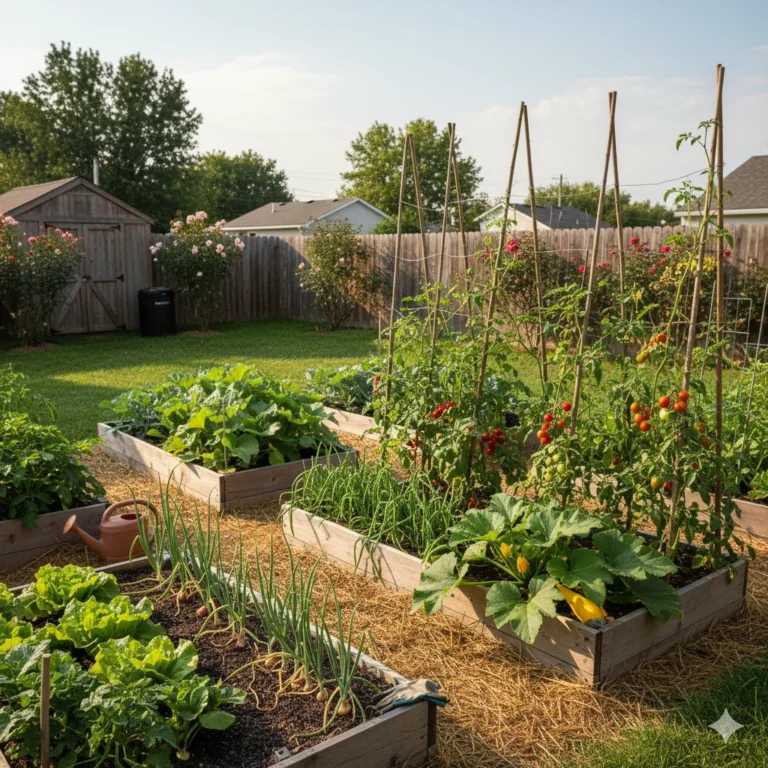
Transform Your Garden: Drought-Resistant Plants & Veggies
Introduction: Why Water-Efficient Gardening Matters Now More Than Ever
Water scarcity isn’t just a concern for the arid Southwest anymore. From California’s recurring droughts to the Midwest’s increasingly unpredictable rainfall patterns, American gardeners are rethinking how they grow food and beauty. The good news? Drought-resistant gardening isn’t about sacrifice—it’s about working smarter with nature.
When you choose drought-tolerant plants and vegetables, you’re not just cutting your water bill by 30-50%. You’re building resilience into your landscape, creating habitats that thrive during heat stress, and joining a movement toward climate-smart gardening. Whether you’re in Phoenix or Pennsylvania, the principles of waterwise gardening will transform how you nurture your outdoor spaces.
Let me share what I’ve learned helping thousands of gardeners across the country make this transition successfully.
What Is Drought Resistance? Understanding Plant Superpowers
Before we dig in, let’s clarify some terminology that often gets confused:
Drought-tolerant plants can survive extended dry periods once established. Think of them as marathon runners—they pace themselves and have strategies for the long haul.
Drought-resistant plants actively defend against water loss through physical adaptations like thick, waxy leaves or silvery coatings that reflect sunlight.
Drought-avoidant plants are the sprinters—they complete their life cycle quickly before drought conditions intensify. Many spring wildflowers and cool-season annuals fall into this category.
The Secret Adaptations That Make Plants Water-Wise
The best drought-resistant vegetables USA gardeners love share fascinating traits:
- Deep root systems that tap moisture 3-6 feet underground (sweet potatoes can reach 10 feet!)
- Reduced leaf surface area or waxy cuticles that minimize water evaporation
- Succulent tissues that store water like living reservoirs
- Silvery or gray foliage that reflects heat and reduces transpiration
- Stomatal control that closes pores during peak heat to conserve moisture
Understanding these adaptations helps you recognize which plants will genuinely thrive, not just survive, in your low-water landscaping design.
Choosing the Best Drought-Resistant Vegetables for American Gardens
Here’s where practical meets powerful. These vegetables have proven themselves from the Sonoran Desert to the Great Plains, delivering harvests even when rain disappoints.
Top Performers: Your Drought-Tolerant Vegetable All-Stars
Sweet Potatoes – The undisputed champion of hot, dry conditions. Their vining growth creates living mulch while those deep roots seek moisture other crops miss. In USDA zones 8-11, they’re nearly foolproof. Even in zone 7, with black plastic mulch and a 100-120 day season, you’ll pull storage-worthy tubers.
Eggplant – This heat-loving beauty actually performs better with moderate water stress, developing more concentrated flavor. The key is establishing strong root development early with consistent moisture, then backing off once flowering begins.
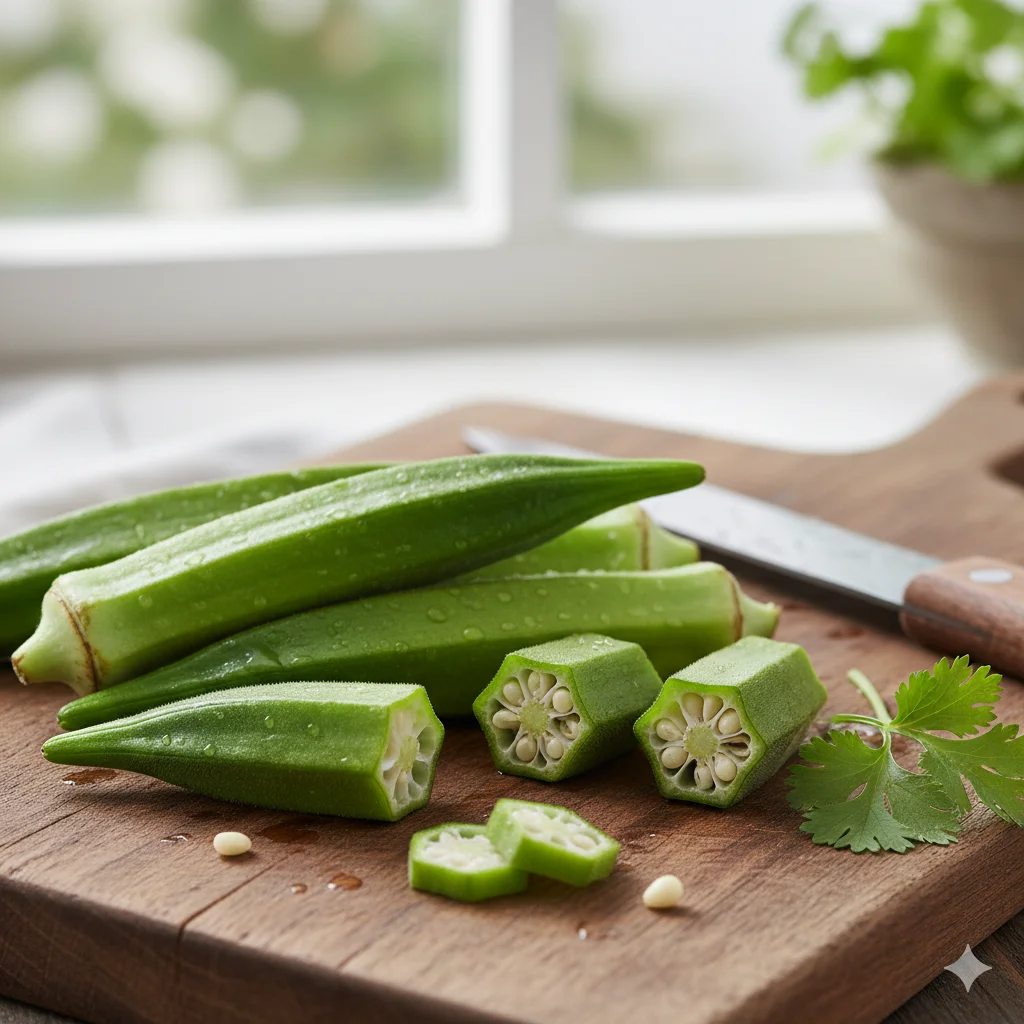
Okra – If you’ve got heat, you’ve got okra. This Southern staple tolerates temperatures that would wilt tomatoes and keeps producing pods through August’s worst. The mucilage in okra stems helps it retain precious moisture.
Peppers (Bell and Hot Varieties) – Once established, peppers are remarkably drought-resistant. They respond to mild water stress by concentrating capsaicin and flavors. Hot peppers especially thrive in southwestern microclimates.
Tomatoes (with caveats) – Choose determinate paste varieties like San Marzano or drought-adapted heirlooms like Arkansas Traveler. While tomatoes need consistent moisture during fruit set, established plants with deep mulching handle dry spells better than their reputation suggests.
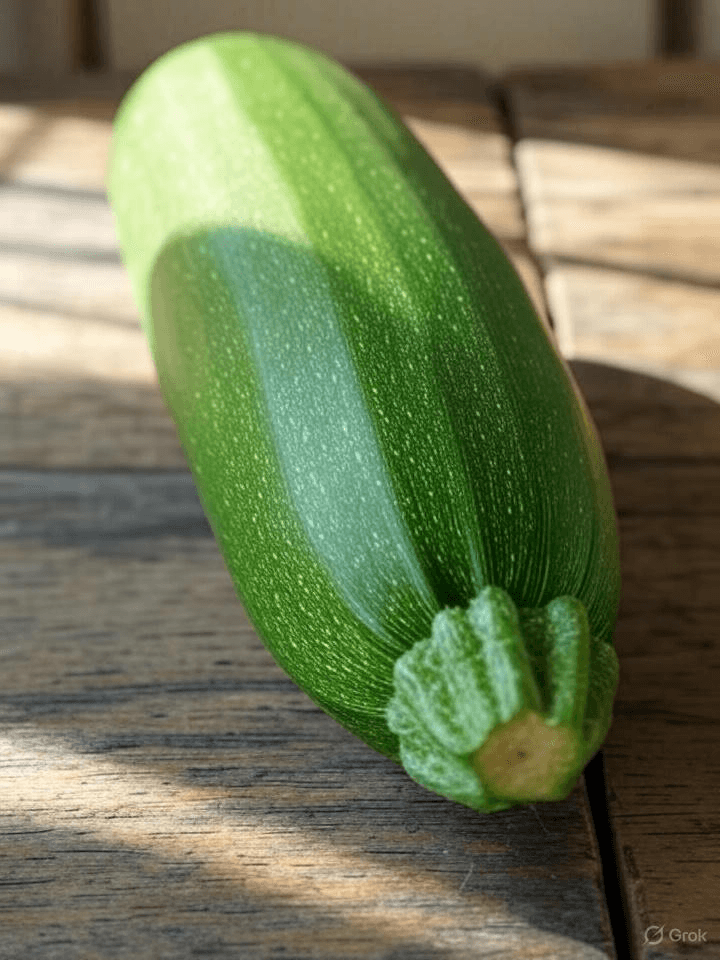
Winter Squash – Varieties like butternut, acorn, and kabocha develop extensive root systems that mine soil moisture efficiently. Their large leaves create shade that cools the soil microclimate.
Beans – Bush beans and pole beans fix nitrogen while requiring minimal water once flowering. Scarlet runner beans particularly excel in hot, dry conditions and attract pollinators.
Legume Powerhouses: Chickpeas, Lentils, and Cowpeas – These protein-packed crops evolved in arid Mediterranean and African climates. Chickpeas tolerate alkaline soils common in low-rainfall areas. Cowpeas (black-eyed peas) are legendary heat champions that actually improve struggling soil while feeding your family.
Leafy Greens with Grit: Kale, Swiss Chard, and Arugula – While lettuce demands constant moisture, these tougher greens handle periodic drought. Lacinato kale’s waxy leaves resist water loss. Swiss chard’s deep taproot accesses subsurface moisture. Arugula grows so fast in cool weather that it outpaces drought—a perfect example of drought avoidance.
Regional Selection Strategies: Matching Vegetables to Your Climate
Your USDA hardiness zone tells only part of the story. Consider these regional nuances:
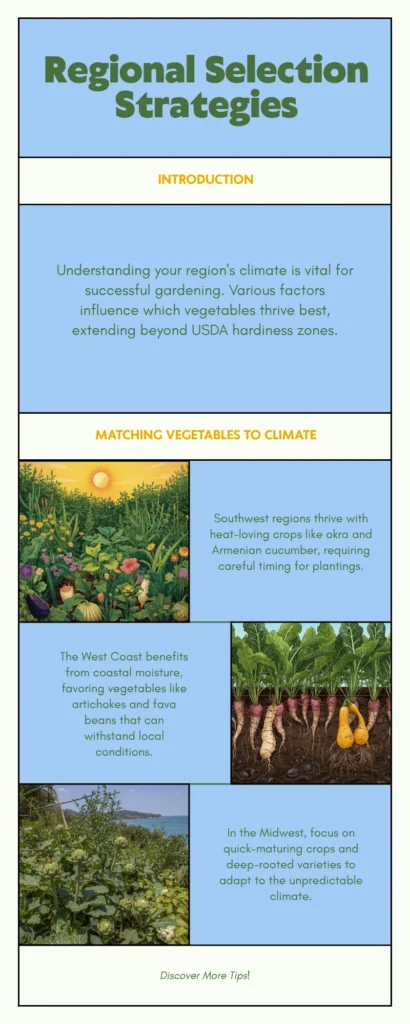
Southwest (Zones 8-10): Lean heavily into heat-lovers—okra, eggplant, Armenian cucumber, tepary beans. Time plantings for monsoon season when possible. Create afternoon shade for lettuce family crops.
West Coast (Zones 8-10): Take advantage of coastal fog for moisture. Artichokes, fava beans, and Mediterranean vegetables thrive. Dry-farm tomatoes for intense flavor (see UC Davis research on this technique).
Midwest/Great Plains (Zones 4-6): Focus on quick-maturing varieties that can be succession planted. Emphasize deep-rooted crops like parsnips, salsify, and winter squash that handle temperature extremes.
Southeast (Zones 7-9): Heat plus humidity creates different challenges. Choose disease-resistant varieties and ensure excellent air circulation. Sweet potatoes, okra, and cowpeas are your friends.
Northeast (Zones 5-7): Prepare for sporadic drought, not chronic. Cold frames extend seasons for arugula and kale. Focus on spring and fall crops, mulch heavily through summer.
Drought-Resistant Herbs and Companion Plants: The Mediterranean Connection
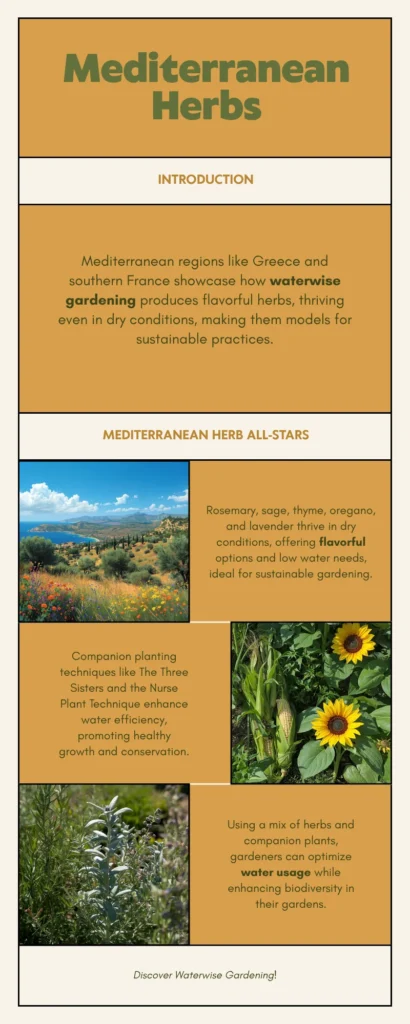
If you’ve ever visited Greece, southern France, or coastal Italy, you’ve witnessed the ultimate waterwise gardening classroom. Those sun-baked hillsides burst with fragrant herbs that not only survive but produce intensely flavorful essential oils because of dry conditions.
Mediterranean Herb All-Stars
Rosemary – This woody perennial laughs at drought once established. Those needle-like leaves are perfectly adapted for moisture retention. Grows zones 7-10 outdoors; overwinter indoors elsewhere. Pro tip: Rosemary roots hate wet soil—plant on slopes or in well-drained beds.
Sage (Salvia officinalis) – Silvery leaves reflect heat while retaining moisture. Common sage, pineapple sage, and Mexican bush sage all bring different colors and flavors to drought-tolerant gardens. Excellent for creating dry microclimates around less drought-resistant vegetables.
Thyme – Low-growing, spreading, incredibly tough. Use as a groundcover between pavers or as living mulch. Thyme’s aromatic oils intensify with heat stress—your kitchen will thank you.
Oregano – Greek oregano especially thrives in poor, rocky soil with minimal water. Trim regularly to encourage bushy growth and prevent flowering (which reduces leaf flavor).
Lavender – Not just beautiful and fragrant—lavender attracts beneficial insects and creates windbreaks that reduce transpiration in neighboring plants. English lavender suits cooler zones (5-8); Spanish lavender handles heat better (zones 8-10).
Companion Planting for Water Efficiency
Smart polyculture designs let you layer plants with different root depths and water needs, maximizing every drop. Here’s how to apply companion planting for drought resilience:
The Three Sisters Plus One: Traditional corn-beans-squash polyculture naturally conserves water. Add sunflowers on the north side for shade and as a windbreak. The squash leaves create living mulch while beans fix nitrogen at depth where corn roots mine it.
Herb Understory Strategy: Plant thyme, oregano, or chamomile beneath taller drought-resistant vegetables like eggplant or peppers. The herbs shade soil, reduce evaporation, and their different root depths access moisture at multiple levels—that’s water sharing in action.
Nurse Plant Technique: Fast-growing, drought-tolerant crops like sunflowers or amaranth can create beneficial microclimates for slower-establishing perennials. The shade and windbreak effects are measurable—soil temperatures drop 10-15°F under living canopies.
Waterwise Ornamentals, Perennials & Shrubs: Beauty That Endures
Who says low-water landscaping means brown and boring? These native and adapted ornamentals bring season-long color while supporting pollinators and birds.
Perennial Flower Powerhouses
Coneflower (Echinacea) – Purple coneflower is the gateway plant to drought-resistant gardening. Deep taproots handle summer stress while flowers feed butterflies. Dozens of cultivars now offer colors from white to orange to burgundy.
Blanket Flower (Gaillardia) – These cheerful red-and-yellow blooms keep coming June through September. Native to the Great Plains, they’re genetically programmed for heat and drought. Deadhead regularly for continuous bloom.
Black-eyed Susan (Rudbeckia) – Another prairie native that colonizes beautifully without becoming invasive. Goldfinches feast on seed heads through winter. Varieties range from 2 to 6 feet tall.
Aster – Native asters bloom late summer through fall when many gardens fade. They’re critical food sources for migrating monarchs and native bees. New England aster (zones 4-8) and aromatic aster (zones 4-9) handle dry conditions beautifully.
Yarrow (Achillea) – Ferny foliage and flat-topped flower clusters in white, yellow, pink, or red. Once established, yarrow handles blazing sun and poor soil. Caution: it spreads readily—give it room or plant in barriers.
Drought-Tolerant Shrubs and Small Trees
Serviceberry (Amelanchier) – Four-season interest: spring flowers, edible summer berries, fall color, winter structure. Native to North America, serviceberries tolerate a range of moisture conditions once established. Zones 4-9.
Hawthorn (Crataegus) – Tough, thorny, and beautiful. White spring blooms become red berries that feed birds through winter. Many species native across the US. Excellent hedge or specimen plant. Zones 4-8.
Barberry (Berberis) – Yes, Japanese barberry is invasive in some regions, but native Oregon grape holly (Mahonia aquifolium) and other species offer similar drought tolerance with ecological benefits. Check local invasive species lists before planting any barberry.
Field Maple (Acer campestre) – For larger properties, this European native adapts remarkably to American conditions (zones 5-8). Reaches 25-35 feet, provides summer shade, tolerates drought and urban pollution, and delivers spectacular yellow fall color.
Groundcovers and Lawn Alternatives
Thirsty turf grass is the single largest residential water user in most regions. Consider these drought-friendly groundcovers:
- Creeping thyme – Walkable, fragrant, bee-friendly
- Sedum (Stonecrop varieties) – Succulent foliage, low profile
- Blue grama grass – Native prairie grass requiring 1/3 the water of Kentucky bluegrass
- Buffalo grass – Native to Great Plains, green only with moisture, dormant otherwise
- Clover – Fixes nitrogen, stays green with minimal water, feeds pollinators
Best Gardening Practices for Dry Conditions: Where Success Really Happens
Even the best drought-tolerant plants need smart management. These practices multiply your success rate exponentially.
Soil Improvement: The Foundation of Drought Resilience
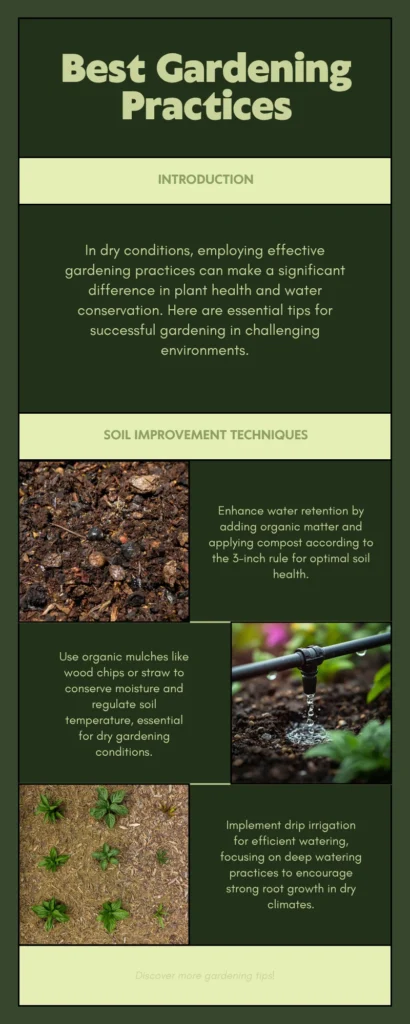
Organic matter is your secret weapon. Here’s why: finished compost can hold 10-20 times its weight in water. When you improve soil structure with compost, aged manure, or leaf mold, you’re essentially building microscopic water reservoirs throughout your beds.
The 3-inch rule: Apply 3 inches of compost to vegetable beds annually, working it into the top 6-8 inches. For established ornamental beds, top-dress with 1-2 inches and let worms incorporate it naturally.
Mulching for moisture retention deserves its own dissertation, but here are the essentials:
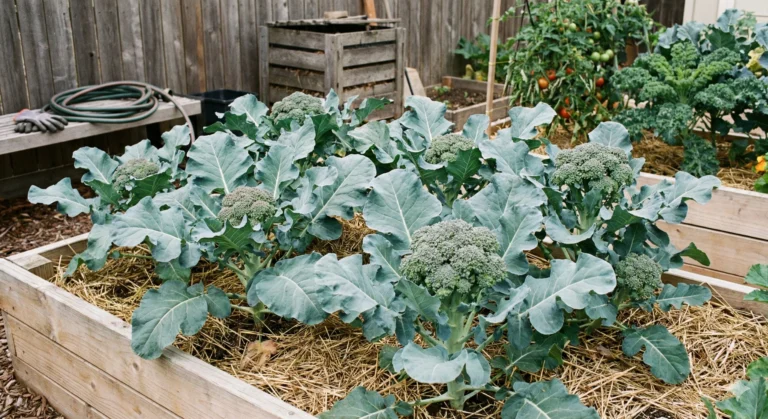
- Organic mulches (wood chips, straw, shredded leaves) insulate soil, suppress weeds, and slowly break down to feed soil biology. Apply 3-4 inches, keeping it 2 inches away from plant stems.
- Living mulches (low groundcovers, dense plantings) shade soil naturally. They transpire some moisture but reduce evaporation overall.
- Stone mulches work in desert gardens but can overheat soil in hot-summer climates. Use selectively.
pH management matters more under drought stress. Most vegetables prefer pH 6.0-7.0. When soil is dry, nutrient availability changes. Test pH every 2-3 years and adjust with lime (to raise) or sulfur (to lower).
Smart Irrigation: Every Drop Counts
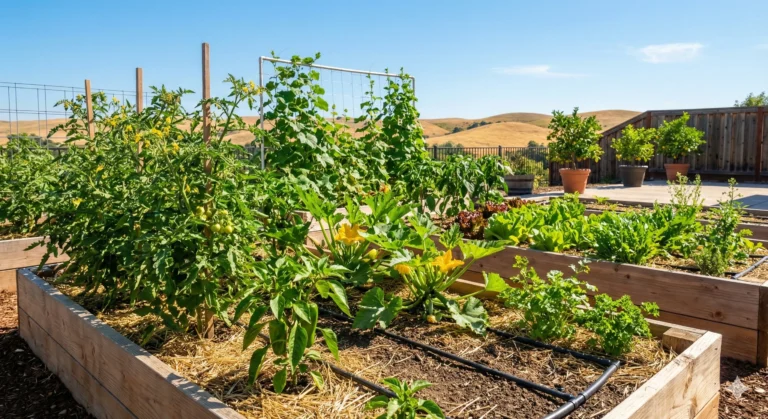
Drip irrigation is the gold standard for water efficiency—delivering 90% efficiency compared to 60% for sprinklers. Yes, it requires upfront investment, but expect 30-50% water savings that recoup costs within 2-3 seasons.
Drip system basics:
- Run lines along rows or in concentric circles around plants
- Use emitters rated for your soil type (sandy soils need closer spacing)
- Add a timer for consistency
- Combine with mulch to minimize evaporation
Deep watering beats frequent sprinkling every time. When you water, saturate the soil 8-12 inches deep, then don’t water again until the top 2-3 inches dry out. This encourages deep root development—roots follow water.
Watering schedule strategies:
- Early morning is ideal (less wind, lower temps, plants dry before nightfall)
- If morning isn’t possible, evening works too—fungal concerns are overblown if you avoid wetting foliage
- Use moisture meters or simply dig down 4 inches to check before irrigating
Foliar feeding during drought stress sounds counterintuitive but works beautifully. A weak kelp or fish emulsion spray (1/4 strength) applied early morning provides nutrients directly to leaves when roots struggle in dry, compacted soil.
Shade Creation, Windbreaks, and Planting Structure
Strategic shade reduces transpiration dramatically. Options include:
- Shade cloth (30-50% density) over cool-season crops during summer
- Taller crops (sunflowers, corn, trellised beans) shading shorter neighbors
- Shade netting creating afternoon relief in hot western gardens
- Deciduous trees providing summer shade, winter sun
Windbreaks reduce water loss from wind-driven evaporation and transpiration. A well-placed hedgerow, fence, or strategically planted tall perennials can reduce wind speeds 50-70% for a distance 10 times the windbreak’s height. That’s massive water savings across your garden.
Planting structure recommendations:
- Orient rows north-south for even light distribution
- Group plants by water needs (see next section)
- Use berms and swales to capture and direct water where needed
- Plant in slight depressions (4-6 inches) to capture rain and irrigation
Planning Your Drought-Tolerant Garden: Design Meets Function
Great design makes everything else easier. Here’s how to plan for beauty, productivity, and water efficiency.
Layering Plants Based on Water Needs: The Hydrozoning Principle
Hydrozoning means grouping plants with similar water requirements together. This prevents wasting water on established drought-tolerant plants while ensuring thirstier crops get adequate moisture.
Create three zones:
Zone 1 – Regular Water (Oasis): Near the house, easily accessible. Home to salad greens, cucumbers, melons, herbs like basil and cilantro that demand consistent moisture. Irrigate 2-3 times weekly.
Zone 2 – Moderate Water (Transition): Established fruit trees, berry bushes, most vegetables once past transplant stage. Deep water weekly to every 10 days.
Zone 3 – Minimal Water (Dryland): Native plantings, established Mediterranean herbs, drought-resistant ornamentals, prairie grasses. Natural rainfall plus occasional deep watering during extreme drought.
Designing for Seasonal Interest and Habitat
A waterwise garden shouldn’t peak in June then fade. Plan succession:
Spring: Early bulbs (many are drought-dormant by summer), cool-season vegetables, spring-blooming shrubs
Summer: Heat-loving vegetables, echinacea, gaillardia, salvia, ornamental grasses coming into their own
Fall: Asters, goldenrod, late-blooming sedum, cool-season vegetable second crop, ornamental grasses at peak
Winter: Evergreen shrubs, ornamental grass seedheads, tree structure, berries for birds
Habitat considerations: Native plants supporting local pollinators require less maintenance and less water than exotics. Plant in drifts (odd numbers: 3, 5, 7) rather than singletons to attract and sustain insect populations.
Succession Planting for Continuous Harvest
Don’t put all your seeds in the ground at once. Succession planting spreads harvest across months and reduces risk if early plantings fail during drought.
Example succession plan for beans (zones 5-7):
- Plant 1: Mid-May (after last frost)
- Plant 2: Early June
- Plant 3: Late June/Early July
- Plant 4: Mid-July (final planting, 60-70 days before first frost)
Each planting takes 50-60 days, so you’re harvesting beans July through October rather than all at once.
Troubleshooting Challenges in Dry Gardens: When Things Get Tough
Even well-planned drought-tolerant gardens face challenges. Here’s how to recognize problems early and respond effectively.
Dealing with Extreme Drought Conditions
When drought intensifies beyond normal:
Triage your plants. Prioritize young transplants, perennials you’ve invested years establishing, and high-value crops nearing harvest. Let some annuals go—it’s okay. This isn’t failure; it’s strategic water management.
Apply extra mulch layers. Add 2-3 additional inches of organic mulch to conserve every drop of soil moisture.
Create temporary shade. Prop shade cloth on stakes, use old sheets, deploy patio umbrellas—whatever blocks intense afternoon sun.
Gray water use: Where legally permitted, capture shower, sink, and laundry water (avoid water contaminated with harsh chemicals). Let it cool, then use it immediately—never store gray water more than 24 hours.
Soil Salinity in Low-Rainfall Regions
The Southwest and portions of the Great Plains face challenging soil salinity where irrigation water or naturally occurring salts accumulate. Signs include white crusty deposits on soil surface and stunted, yellowing plants.
Solutions:
- Choose salt-tolerant species (barley, beets, asparagus, kale have good tolerance)
- Improve drainage so salts leach deeper away from root zones
- Apply gypsum (calcium sulfate) which helps displace sodium
- Use rainwater or desalinated water for sensitive plants when possible
Recognizing Drought Stress in Vegetables
Early signs (time to water):
- Slightly dulled leaf color
- Leaves less crisp, margins beginning to curl
- Soil pulling away from container edges
- Top 3-4 inches of soil completely dry
Moderate stress (water immediately, damage likely):
- Visible wilting during afternoon heat
- Lower leaves yellowing and dropping
- Blossom end rot appearing on tomatoes and peppers
- Reduced flowering
Severe stress (significant damage):
- Wilting even in morning/evening
- Widespread leaf drop
- Stunted growth, woody stems
- Premature bolting in greens
Heat stress often accompanies drought. Signs include sunscald on fruits, blossom drop, and reduced photosynthesis. Solutions: shade cloth, adequate (not excessive) water, foliar feeding with diluted kelp spray for micronutrients.
Success Stories & Real Gardener Experiences
Phoenix, Arizona (Zone 9b) – Maria’s Monsoon Garden: “I thought growing vegetables in the desert was crazy until my neighbor shared her secret: timing plantings to monsoon season and choosing heat-lovers. Now my July garden bursts with Armenian cucumbers, desert-adapted melons, and enough cherry tomatoes to share. I use drip irrigation on timers and mulch with decomposed granite chips around desert-adapted perennials. My water bill dropped 40% compared to my failed first-year attempt at a traditional garden.”
Kansas City, Missouri (Zone 6a) – The Thompson Family Food Forest: “Five years ago we replaced half our lawn with a layered food forest—fruit trees, berry shrubs, herbs, and groundcovers. Last summer’s drought barely slowed our harvest because those deep-rooted plants were tapped into moisture lawns could never reach. The key was patience during establishment—we watered conscientiously for two years, then dramatically reduced inputs. Now nature does most of the work.”
Los Angeles, California (Zone 10b) – David’s Dry-Farmed Tomatoes: “After attending a dry-farming workshop, I stopped irrigating my Romas after initial establishment. The first year felt terrifying—watching plants struggle through June. But by late July, those deep roots hit groundwater and fruit developed intense, concentrated flavor I’d never tasted in watered tomatoes. My yields dropped 30% but my tomato quality and water savings skyrocketed.”
Vermont (Zone 4b) – Green Mountain Herbs: “People don’t think Vermont needs drought gardening, but we’ve had increasingly dry summers. Converting our production to Mediterranean herbs—rosemary in containers we overwinter, plus sage, thyme, and oregano—cut our irrigation needs by two-thirds. These herbs produce more essential oils when slightly stressed by drought. Our customer base loves the intense flavors.”
Conclusion: Your Drought-Tolerant Garden Journey Starts Now
Creating a thriving drought-resistant garden isn’t about deprivation—it’s about alignment with nature’s rhythms and your region’s reality. Whether you’re replacing water-hungry turf with native wildflowers, experimenting with dry-farmed tomatoes, or simply mulching better, every step toward waterwise gardening builds resilience.
Start small. Choose three or four drought-tolerant vegetables that excite you—maybe those beautiful purple eggplants, maybe heat-loving cowpeas you’ve never tried. Add a Mediterranean herb corner. Improve your soil with compost and mulch. Watch what happens.
You’re not just saving water and money. You’re joining a nationwide movement toward gardens that work with climate realities rather than against them. You’re creating habitat for pollinators, sequestering carbon in healthy soil, and producing nutrient-dense food using nature’s playbook.
Your next steps:
- Assess your current water use and identify highest-waste areas
- Select 3-5 drought-resistant plants appropriate for your zone to trial this season
- Implement one major water-saving practice (drip irrigation, mulching, or hydrozoning)
- Join local gardening groups to learn from regional successes
- Keep experimenting—adaptation is a journey, not a destination
The American landscape is incredibly diverse, and so are the solutions that work. But the principles of organic matter, deep watering, smart plant selection, and working with microclimates transcend region. You’ve got this.
FAQ: Your Drought-Resistant Gardening Questions Answered
What can I grow with little water in my area?
It depends on your USDA zone and specific climate. Generally, sweet potatoes, okra, eggplant, peppers, beans, chickpeas, cowpeas, winter squash, kale, and Swiss chard handle drought well across most US regions. For the Southwest (zones 8-10), add Armenian cucumber and tepary beans. In the Midwest/Plains (zones 4-6), focus on deep-rooted crops like carrots, beets, and parsnips. Mediterranean herbs (rosemary, sage, thyme, oregano) thrive everywhere once established. Native wildflowers for your specific region are always your most water-efficient ornamental choices.
How do I maintain soil moisture during drought without wasting water?
The winning combination is organic matter plus mulch plus smart irrigation. Work 3 inches of finished compost into vegetable beds annually—this improves soil structure and water-holding capacity dramatically. Apply 3-4 inches of organic mulch (wood chips, straw, shredded leaves) to all beds, keeping it away from plant stems. Water deeply and infrequently rather than frequent shallow watering—this encourages deep root development. Drip irrigation with timers delivers water exactly where needed with minimal evaporation. Finally, group plants by water needs so you’re not overwatering drought-tolerant species.
Are there drought-resistant fruits I can grow?
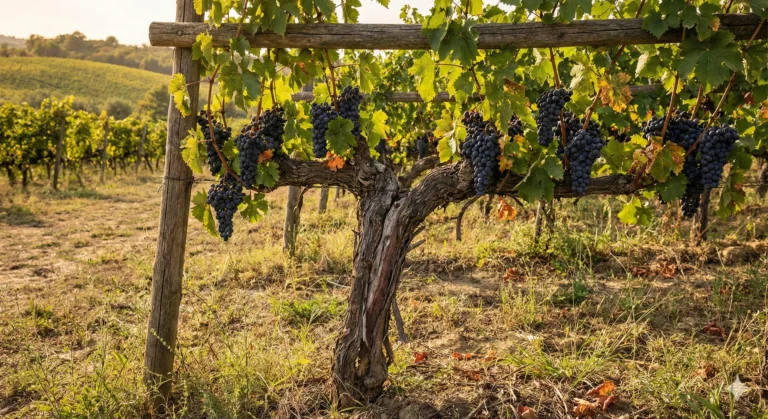
Absolutely! Figs are legendary drought survivors once established (zones 7-10, container-grown in colder zones). Many grape varieties handle dry conditions beautifully—they actually produce better wine-quality fruit with moderate water stress. Pomegranates thrive in hot, dry climates (zones 8-11). Prickly pear cactus produces delicious fruit in southwestern gardens. Mulberries develop deep roots that handle drought well. Among tree fruits, jujubes (Chinese dates) tolerate heat and drought exceptionally. Even some apple and pear varieties on appropriate rootstocks can be drought-managed once mature, though they produce best with supplemental water.
Is drip irrigation really worth the investment for home gardens?
For most gardeners, yes. Drip irrigation delivers 90% water efficiency compared to 60% for overhead sprinklers. The system pays for itself in water savings within 2-3 seasons in typical installations. Beyond cost savings, drip systems save time (no more dragging hoses), reduce plant disease (foliage stays dry), minimize weeds (water goes only where you want it), and give you consistent, optimal moisture for plant growth. Basic drip kits cost $50-150 for typical home vegetable gardens. DIY installation is straightforward. Add a timer ($30-100) for complete automation. The only gardens where drip might not make sense are very small spaces (under 100 square feet) or if you’re renting short-term and can’t recoup the investment.
When should I water my drought-tolerant garden?
Newly planted drought-tolerant species need regular water for the first growing season while establishing roots—think daily to every-other-day watering for transplants, gradually reducing as roots develop. Established plants (one full growing season for perennials, 2-3 months for annuals) need much less frequent watering—perhaps weekly deep watering during hot, dry periods, less during cooler weather or if rain arrives. Water early morning when possible for least evaporation. The “finger test” works great: stick your finger 3-4 inches into soil near plants. If it’s dry at that depth, it’s time to water. If still moist, wait another day or two.
Can I mix drought-tolerant and water-loving plants in the same garden?
Yes, through hydrozoning—grouping plants by water needs. Create distinct zones: regular-water areas near your house for salad greens and herbs like basil; moderate-water zones for most vegetables and established fruit trees; low-water zones for native plants, Mediterranean herbs, and mature drought-resistant ornamentals. This prevents wasting water on established drought plants while ensuring thirstier crops get adequate moisture. Use walkways, hedges, or visual markers to remind yourself which zones need different irrigation schedules. Drip irrigation with separate valve zones makes this strategy especially manageable.
What’s the difference between native plants and drought-resistant plants?
Native plants are species that evolved in your specific region over thousands of years—they’re adapted to your rainfall patterns, soil types, temperatures, and local pests. Most natives, once established, require little to no supplemental water because they’re genetically programmed for your area’s normal precipitation. Drought-resistant plants is a broader category including natives plus adapted non-natives (like Mediterranean herbs in California) that handle low water regardless of origin. For maximum water efficiency and ecological benefit, choose natives first. But don’t exclude valuable adapted plants—many Mediterranean, South African, and Australian species naturalize beautifully in similar US climates and expand your palette of low-water options.
How do I transition my existing garden to be more drought-tolerant?
Start with the easiest high-impact changes: Add mulch to all beds immediately (instant 25-30% water savings). Improve soil with compost at your next seasonal planting. Install drip irrigation in phases, starting with vegetable beds. As plants decline or you redesign sections, replace thirsty species with drought-tolerant alternatives rather than converting everything at once. Reduce or replace lawn gradually—convert 100-200 square feet per year to native plantings or drought-resistant groundcovers. This phased approach spreads costs and labor while letting you learn what works in your specific conditions. Most gardeners complete a full transition in 3-5 years without feeling overwhelmed.