Master Growing Cabbage: Simple Steps for Success
Growing cabbage at home rewards you with crisp, nutritious heads perfect for slaws, stir-fries, and fermented favorites. This cool-weather champion thrives in spring and fall gardens, offering impressive yields even for beginners. Home-grown cabbage tastes fresher than store-bought, costs less, and lets you choose varieties you’d never find at the market. Whether you have garden beds or just a sunny balcony, cabbage adapts beautifully to your space.
Choosing the Right Variety
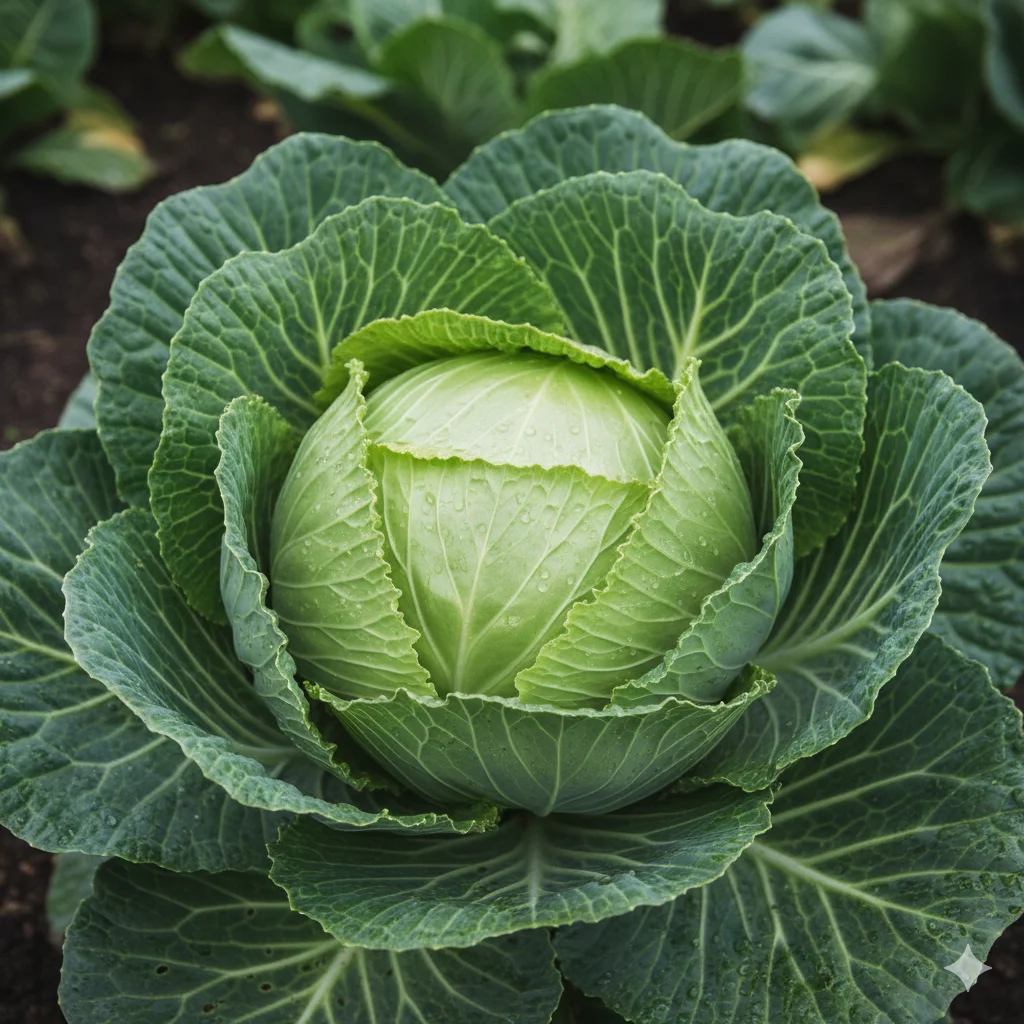
Select cabbage varieties based on your growing space and harvest goals. Early varieties like ‘Early Jersey Wakefield’ mature in 60-75 days with compact 2-3 pound heads—perfect for small gardens. Mid-season types such as ‘Copenhagen Market’ produce 4-5 pound heads in 75-85 days. Late-season varieties like ‘Danish Ballhead’ take 90-110 days but store exceptionally well through winter.
For container growing, choose compact varieties like ‘Gonzales’ or ‘Pixie’ that form smaller heads without sacrificing flavor. Red cabbage varieties add color and nutrition, while savoy types offer crinkled, tender leaves. Match your variety to your planting season: fast-maturing types for spring, storage varieties for fall.
Preparing Soil and Planting Site
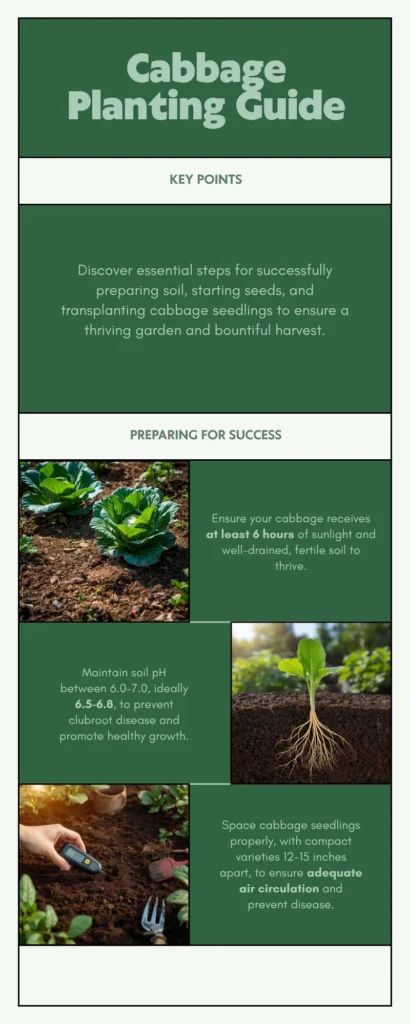
Cabbage demands full sun—at least 6 hours daily—and well-drained, fertile soil. Choose a spot where water doesn’t puddle after rain. Before planting, work 2-3 inches of compost or aged manure into the top 8-10 inches of soil to boost nutrients and improve drainage.
Test your soil pH and aim for 6.0-7.0, with the sweet spot around 6.5-6.8. Cabbage tolerates slightly alkaline conditions better than acidic soil. If your pH falls below 6.0, add lime according to package directions several weeks before planting. This pH range also helps prevent clubroot disease, a common cabbage problem in acidic soils.
Rotate your planting location yearly, avoiding spots where cabbage family members (broccoli, kale, cauliflower) grew in the past two years. This simple practice reduces disease buildup in the soil.
Starting Cabbage Seeds
Start seeds indoors 4-6 weeks before your target transplant date for precise timing. Fill seed trays with quality seed-starting mix and plant seeds ¼ inch deep, spacing them about 2 inches apart. Keep soil consistently moist and warm (65-75°F) until germination occurs in 5-10 days.
Once seedlings emerge, move them to bright light—a south-facing window or grow lights positioned 2-3 inches above the plants. When seedlings develop their first true leaves (the second set that appears), thin to the strongest plant per cell by snipping weaker ones at soil level rather than pulling them.
For direct sowing in the garden, plant seeds ¼ inch deep in rows spaced 24-30 inches apart. Thin seedlings to final spacing once they’re 3-4 inches tall. Direct sowing works best for fall crops when temperatures naturally cool as plants mature.
Transplanting Seedlings Outdoors
Time your transplant for 2-3 weeks before the last spring frost or in early-to-mid July for fall harvest. Cabbage tolerates light frosts and actually develops better flavor with some cold exposure.
Harden off seedlings gradually over 7-10 days before transplanting. Start by placing them outdoors in a sheltered spot for 1-2 hours, increasing exposure daily until they can handle full sun and wind. This conditioning prevents transplant shock.
Plant seedlings at the same depth they grew in their containers, burying the stem up to the first true leaves if plants are leggy. Space compact varieties 12-15 inches apart, medium varieties 18 inches apart, and large storage types 24 inches apart in rows 24-30 inches wide. Proper spacing ensures good air circulation, which reduces disease pressure and gives each plant room to develop a full head.
Care and Maintenance
Water consistently, providing about 1.5-2 inches per week through rain or irrigation. Cabbage develops shallow roots, so frequent light watering beats deep soaking. Water early in the day to let foliage dry before evening, reducing disease risk. During head formation, consistent moisture prevents splitting.
Apply 2-3 inches of organic mulch (straw, shredded leaves, or grass clippings) around plants once they’re established. Mulch conserves moisture, suppresses weeds, and keeps soil temperatures stable.
Feed cabbage with nitrogen-rich fertilizer every 3-4 weeks during early growth to promote lush leaf development. Once plants begin forming heads, switch to a balanced fertilizer with more phosphorus to support head formation. A side-dressing of compost works beautifully as a gentle, slow-release option.
Monitor plants weekly for pests, checking the undersides of leaves where insects hide. Early detection makes control easier. If temperatures suddenly spike above 80°F, provide afternoon shade with shade cloth to prevent bolting (premature flowering).
Harvesting Tips
Harvest when heads feel firm and solid when squeezed. Size matters less than firmness—a dense 2-pound head beats a loose 4-pound one. Most varieties mature 60-110 days from transplanting, depending on type.
Cut heads with a sharp knife, leaving several outer leaves and the stem in the ground. Often, small secondary heads will form from buds on the remaining stem, giving you a bonus harvest. Harvest in cool morning hours for best quality, and refrigerate immediately.
Don’t wait too long—over-mature heads split as they continue growing. If rain threatens and your cabbages are nearly ready, twist each plant a quarter-turn to partially break roots and slow growth, buying you a few extra days.
Common Problems and Solutions
Bolting: Warm weather triggers premature flowering. Prevent this by planting at the right time for your climate—spring plantings should mature before summer heat arrives. Choose bolt-resistant varieties for challenging climates.
Caterpillars: Cabbage worms and loopers chew holes in leaves. Hand-pick visible caterpillars and check under leaves for eggs. Bacillus thuringiensis (Bt) spray provides organic control. Row covers prevent adult moths from laying eggs in the first place.
Aphids: These tiny insects cluster on leaf undersides, sucking plant juices. Blast them off with water from the hose, or apply insecticidal soap for heavy infestations. Encourage beneficial insects like ladybugs that feast on aphids.
Clubroot: This soil-borne disease causes swollen, distorted roots and stunted growth. Prevention beats cure: maintain soil pH above 6.5, rotate crops religiously, and remove infected plants immediately (don’t compost them). Choose resistant varieties if clubroot persists in your soil.
Splitting: Heads crack when plants take up water too quickly after dry periods. Maintain even soil moisture, and harvest promptly when heads mature. Twisting plants to partially break roots slows water uptake if heavy rain threatens ready-to-harvest cabbage.
Growing Cabbage in Containers
Container growing brings cabbage success to patios, balconies, and small spaces. Choose pots at least 12-14 inches deep and wide to accommodate the root system—deeper is better for larger varieties. Ensure containers have drainage holes.
Fill containers with quality potting mix enriched with compost. Garden soil compacts in containers and drains poorly, so skip it. Plant one cabbage per 12-14 inch container, or space plants 12 inches apart in larger planters.
Container cabbage needs more frequent watering than garden-grown plants since pots dry out faster. Check soil daily, watering when the top inch feels dry. Feed every 2-3 weeks with diluted liquid fertilizer since nutrients wash through containers more quickly.
Position containers where they’ll receive full sun but stay cool during hot afternoons—mobility is your advantage. Move pots to shadier spots during heat waves, then back to full sun as weather cools. This flexibility extends your growing season and improves head quality.
Your container cabbage will mature slightly smaller than garden-grown heads, but the flavor and satisfaction remain just as rewarding. With these techniques, fresh, crispy cabbage is within reach regardless of your growing space.