Unlock Nature’s Wisdom: Your Guide to Permaculture
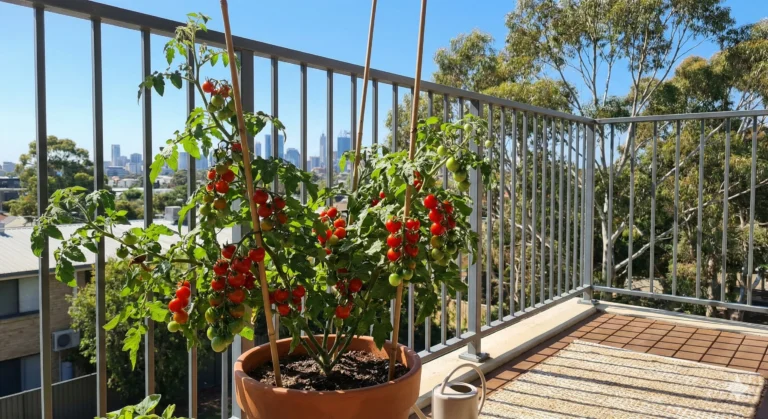
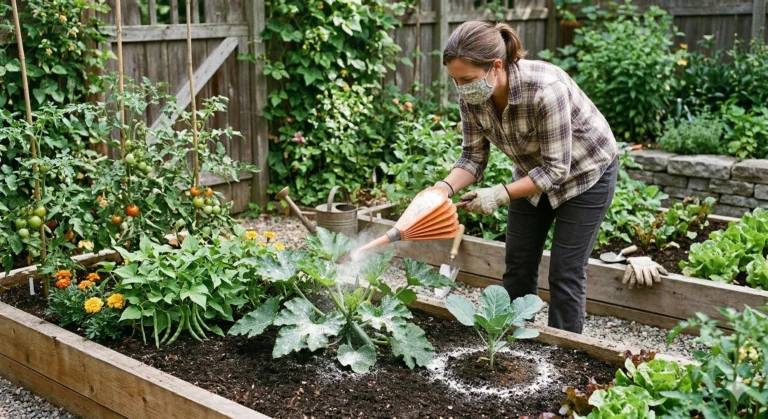
Permaculture gardening represents a profound shift in how we think about growing food and managing land. Rather than fighting against nature, it creates self-sustaining ecosystems that work with natural processes to produce abundance while requiring minimal input. This approach transforms ordinary gardens into resilient, productive landscapes that regenerate themselves year after year.
Understanding Permaculture: More Than Just Gardening
At its core, permaculture gardening is a holistic design system that mimics natural ecosystems. The term combines “permanent” and “agriculture,” reflecting its focus on creating lasting, productive landscapes. Unlike conventional gardening that relies on constant human intervention, permaculture establishes relationships between plants, animals, water, and soil that maintain themselves.
The philosophy centers on observation rather than domination. Before making changes, permaculture practitioners spend time understanding how water flows across their land, where sun and shade fall throughout the day, which plants naturally thrive, and how wind patterns affect the space. This knowledge becomes the foundation for design decisions that align with natural forces rather than combat them.
The Three Core Ethics Guiding Permaculture
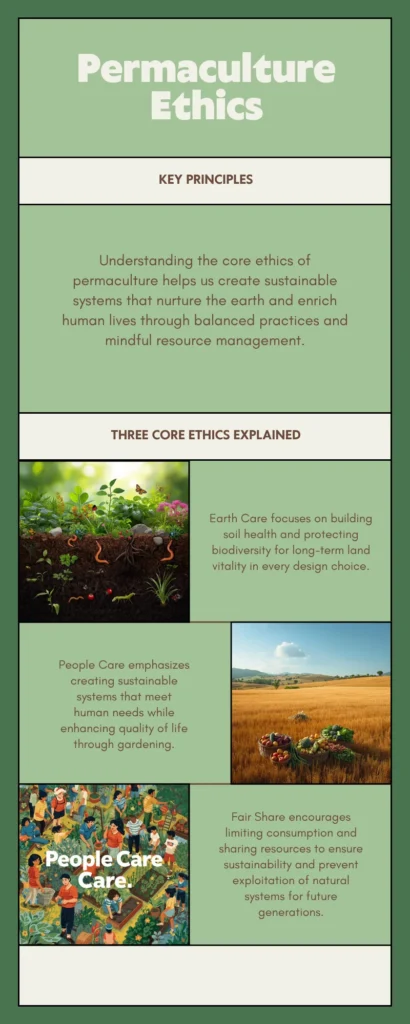
Three fundamental ethics guide all permaculture decisions:
Earth Care means building soil health, protecting biodiversity, and regenerating damaged ecosystems. Every design choice considers its impact on the land’s long-term vitality.
People Care recognizes that sustainable systems must meet human needs for food, shelter, and meaningful work. Permaculture gardens should enhance quality of life, not create endless labor.
Fair Share encourages limiting consumption, sharing surplus, and ensuring resources are available for future generations. This ethic prevents the exploitation that depletes natural systems.
Design Principles That Create Resilient Systems
Permaculture operates on twelve design principles that translate philosophy into practice:
Observe and Interact emphasizes spending time understanding your site before making changes. Notice where puddles form after rain, which areas stay shaded, and what plants volunteer naturally.
Catch and Store Energy means capturing resources when they’re abundant. This includes harvesting rainwater, saving seeds, composting organic matter, and preserving food during peak season.
Obtain a Yield ensures your system produces tangible benefits. Every element should contribute food, medicine, habitat, or other valuable outputs.
Apply Self-Regulation creates feedback loops that prevent problems. For example, chickens control pests while their manure fertilizes plants, creating a balanced system without external inputs.
Use Renewable Resources prioritizes solar energy, rainwater, and organic matter over fossil fuels and synthetic chemicals.
Produce No Waste views “waste” as a resource in the wrong place. Fallen leaves become mulch, kitchen scraps feed compost, and pruned branches create habitat piles.
Design from Patterns to Details starts with understanding broader patterns in nature, then applies them to specific situations. Forest edges are productive zones, so edge habitats are intentionally created throughout the garden.
Integrate Rather Than Segregate places elements where they support each other. Fruit trees provide shade for shade-loving herbs, which attract pollinators for the trees.
Use Small and Slow Solutions favors incremental changes that can be easily managed and adjusted over massive, resource-intensive projects.
Value Diversity creates resilience through variety. Multiple plant species, microclimates, and functions ensure the system continues producing even when individual elements fail.
Use Edges and Value the Marginal recognizes that the most productive and diverse zones occur where different ecosystems meet, like forest edges or pond margins.
Creatively Use and Respond to Change embraces natural succession and seasonal shifts rather than resisting them.
Practical Steps: Designing Your Permaculture Garden
Site Assessment
Begin by mapping your space. Note sun exposure throughout the day and across seasons. Identify water flow patterns during rain events. Mark existing vegetation, structures, and features like slopes or rock outcroppings. Test your soil to understand pH, texture, and nutrient levels.
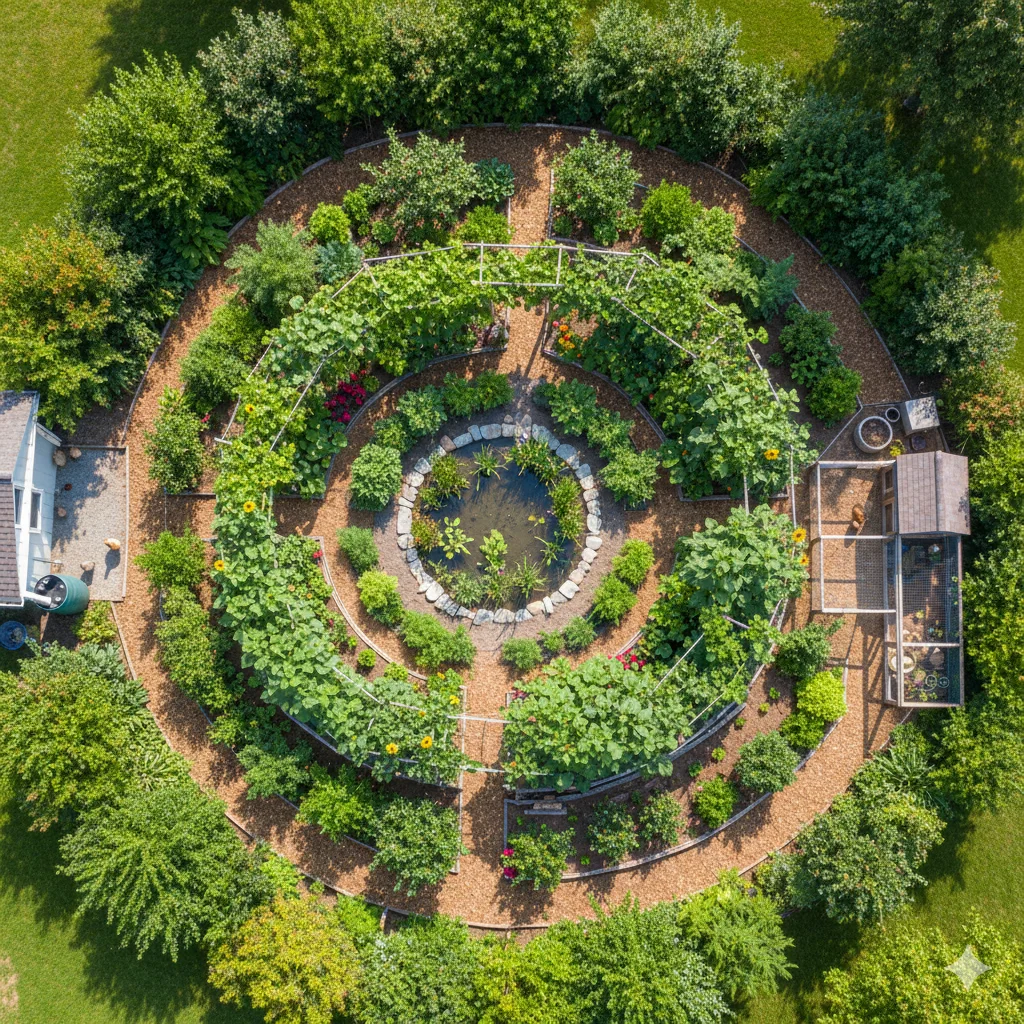
Create zones based on how frequently you’ll visit each area. Zone 1 sits closest to your home and contains herbs, salad greens, and plants needing daily attention. Zone 2 holds vegetables requiring weekly care. Zone 3 includes fruit trees and perennials needing seasonal maintenance. Zone 4 contains semi-wild areas for foraging and wildlife. Zone 5 remains wild, providing habitat and serving as a teacher about natural processes.
Soil Building
Healthy soil forms the foundation of permaculture systems. Rather than tilling, which destroys soil structure and beneficial organisms, permaculture builds soil from the top down through layering organic matter.
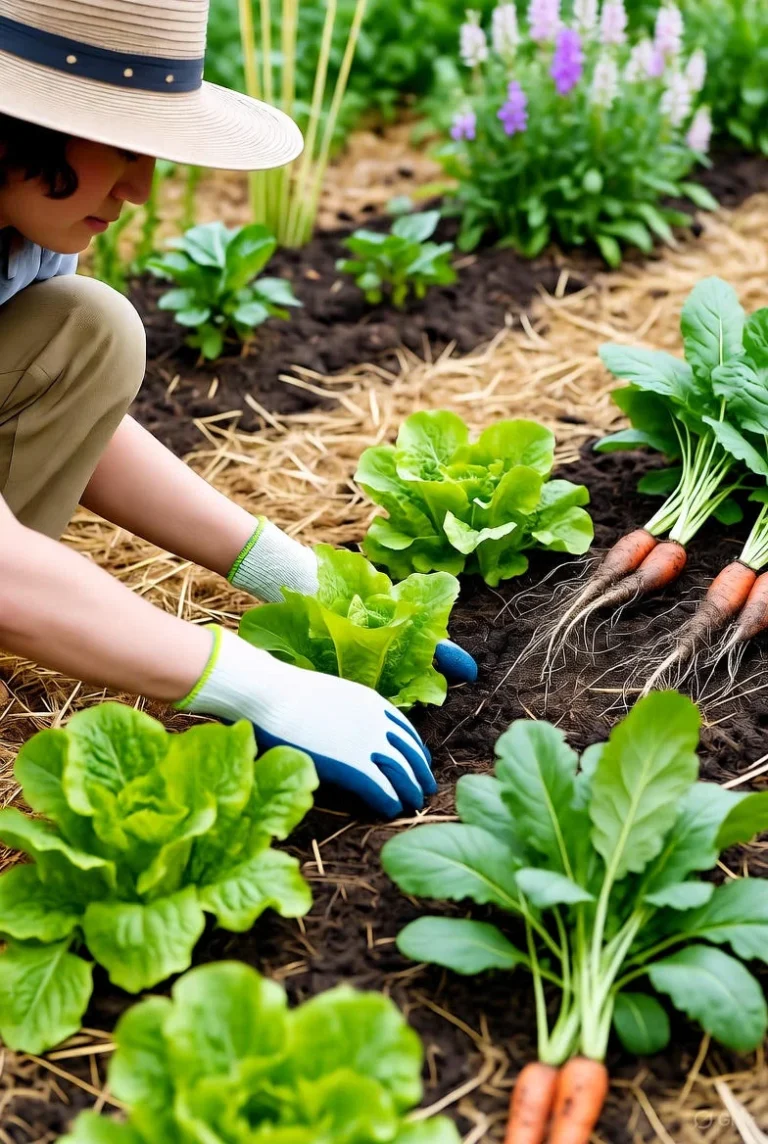
Sheet mulching transforms lawn or bare ground into productive beds. Layer cardboard or newspaper over grass, then add compost, leaves, straw, and finished mulch. This creates rich soil while suppressing weeds without digging. Within months, the bottom layers decompose and earthworms move in, creating perfect planting conditions.
Establish permanent raised beds with defined pathways. Never walking on growing areas prevents compaction and preserves soil structure. Over time, these beds develop rich, friable soil teeming with beneficial microorganisms.
Water Management
Water is harvested, stored, and cycled through the system multiple times before leaving the property. Swales—shallow trenches dug along contour lines—capture runoff and allow it to infiltrate slowly. This prevents erosion while recharging groundwater.
Rain barrels or cisterns connected to roofs store water for dry periods. Greywater from sinks and showers can irrigate trees and perennials when properly managed.
Mulching conserves moisture by reducing evaporation. A thick layer of wood chips, straw, or leaves keeps soil cool and moist even during dry spells, dramatically reducing irrigation needs.
Plant Selection and Guild Design
Choose plants adapted to your climate that fulfill multiple functions. A single apple tree provides food, supports pollinators, creates shade, and eventually produces mulch from fallen leaves.
Companion planting takes this further by creating plant guilds—groups of species that support each other. A classic guild surrounds a fruit tree with nitrogen-fixing plants like clover, pest-deterring herbs like chives, nutrient accumulators like comfrey, and ground covers that suppress weeds and retain moisture.
Include plants at every layer: canopy trees, understory trees, shrubs, herbaceous plants, ground covers, root crops, and climbing vines. This vertical stacking mirrors forest structure and maximizes productivity per square foot.
Prioritize perennials over annuals. While annual vegetables have their place, perennial crops like asparagus, artichokes, berries, and fruit trees require less maintenance once established and improve over time.
Creating Microclimates
Use structures and plants to create varied growing conditions. South-facing walls absorb heat during the day and radiate it at night, extending the growing season for tender plants. Dense evergreen hedges block cold winds. Ponds moderate temperature and increase humidity. These intentional microclimates expand what you can grow.
Building Wildlife Habitat
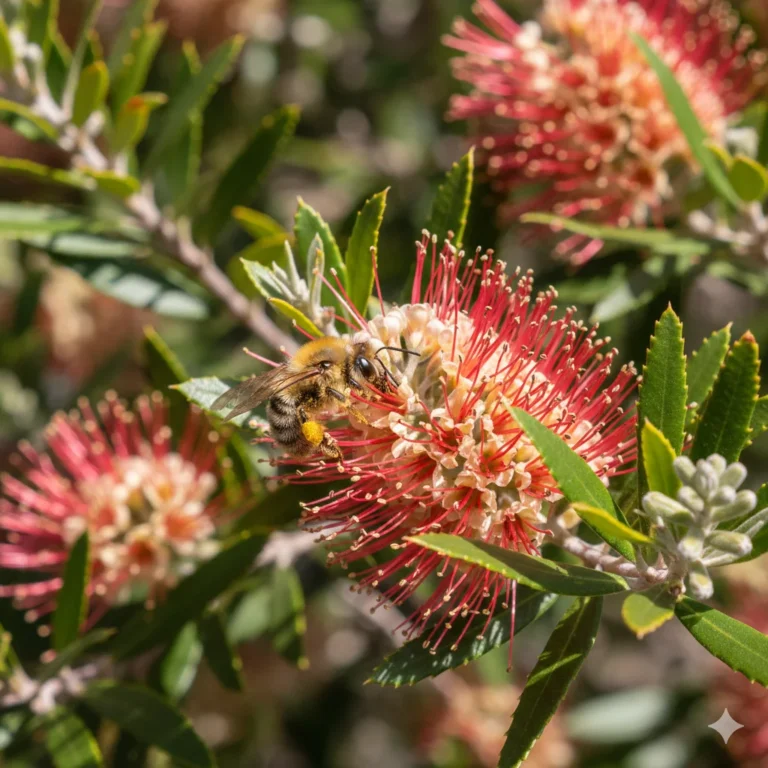
Beneficial insects, birds, amphibians, and other wildlife control pests and support pollination. Provide habitat through diverse plantings, water sources, brush piles, bee hotels, and leaving some areas unmulched for ground-nesting bees. Avoid pesticides that harm these allies.
The Profound Benefits of Permaculture
Exceptional Biodiversity
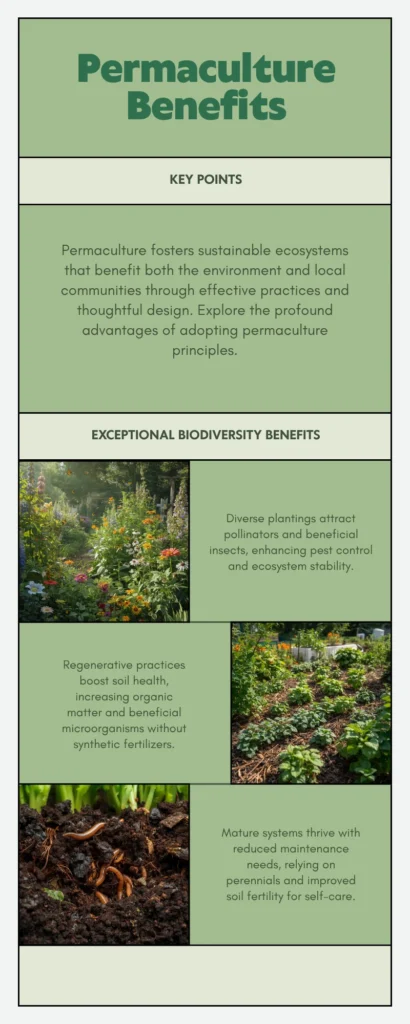
Permaculture gardens buzz with life. Diverse plantings attract dozens of pollinator species, beneficial insects, birds, and small mammals. This biodiversity creates stability—when pests arrive, predators are already present to control them naturally.
Regenerative Soil Health
Unlike conventional methods that deplete soil, permaculture actively builds it. Each year, organic matter accumulates, beneficial microorganisms multiply, and soil structure improves. Established permaculture gardens develop rich, dark earth that holds moisture, drains well, and provides optimal nutrition without synthetic fertilizers.
Dramatically Reduced Maintenance
Initial setup requires effort, but mature permaculture systems largely care for themselves. Perennial plants return without replanting. Mulch suppresses weeds. Beneficial insects control pests. Soil fertility improves rather than degrades. Many permaculture gardeners spend less time maintaining established systems than they previously spent mowing lawns.
Climate Resilience
Diverse plantings withstand weather extremes better than monocultures. Deep-rooted perennials access water during droughts. Multiple varieties ensure some crops succeed regardless of conditions. Established systems bounce back quickly from disturbances.
Abundant, Nutritious Yields
Permaculture gardens produce remarkable quantities of food from small spaces. Vertical layering, succession planting, and intensive bed preparation create productivity that rivals or exceeds conventional gardens while requiring fewer inputs.
Connection and Meaning
Perhaps the deepest benefit is the relationship that develops between gardener and land. Observing seasonal rhythms, recognizing patterns, and participating in natural cycles creates profound satisfaction and connection to place.
Getting Started: Practical Tips for Beginners
Start small and expand gradually. Transform one area into a productive permaculture bed before tackling the entire yard. Success in a manageable space builds skills and confidence.
Focus on observation first. Spend an entire season watching your space before making major changes. Notice where puddles form, which areas get morning versus afternoon sun, and what plants thrive naturally. Take notes and photos to track patterns.
Begin with soil improvement. Healthy soil is the foundation. Start sheet mulching or building no-till beds immediately. Even if you don’t plant for months, you’ll be creating the basis for future abundance.
Plant perennials now. Trees and perennial crops take years to mature, so establish them early. While they develop, grow annual vegetables in the spaces between.
Layer functions. Choose plants and structures that serve multiple purposes. A trellis provides vertical growing space while creating shade. A chicken coop supplies eggs while managing pests and producing fertilizer.
Use what you have. Permaculture emphasizes working with available resources. Free cardboard from stores, fallen leaves from neighbors, and native plants from your own land cost nothing and work beautifully.
Connect with local permaculture communities. Many areas have permaculture groups that share plants, knowledge, and resources. Learning from experienced practitioners accelerates progress and prevents common mistakes.
Accept imperfection. Permaculture systems evolve through experimentation. Some plants will fail, designs will need adjustment, and unexpected problems will arise. Each challenge provides valuable information that improves future decisions.
Think in years, not months. Permaculture creates lasting abundance, but establishment takes time. Focus on steady progress rather than immediate perfection. Each season, your system will become more productive and require less input.
Document your journey. Keep a garden journal noting what works, what fails, and what changes you observe. This record becomes invaluable for refining your design and understanding your land’s unique patterns.
Moving Forward
Permaculture gardening offers a path toward genuine sustainability—systems that genuinely sustain themselves while enriching the land and the gardener. It challenges us to work with nature’s intelligence rather than imposing our will through force and chemistry.
The journey begins with a single step: observing your space with fresh eyes, seeing not just what is but what could be. Every garden, no matter how small, can incorporate permaculture principles. Every gardener can participate in creating resilient, abundant landscapes that regenerate rather than deplete.
The most exciting aspect of permaculture is that it works. Gardens mature into productive ecosystems that require less intervention while producing more abundance. The land becomes healthier, wildlife flourishes, and the gardener gains deep satisfaction from participating in natural cycles rather than fighting against them.
Your permaculture garden awaits—not as a distant dream but as a practical possibility beginning with your next design decision. Start observing, start building soil, start planting perennials. With each season, you’ll move closer to a garden that works with you, a landscape that regenerates itself, and a deeper connection to the natural world that sustains us all.