Powerful Zero-Waste Gardening with Kitchen Scraps
Working title and angle
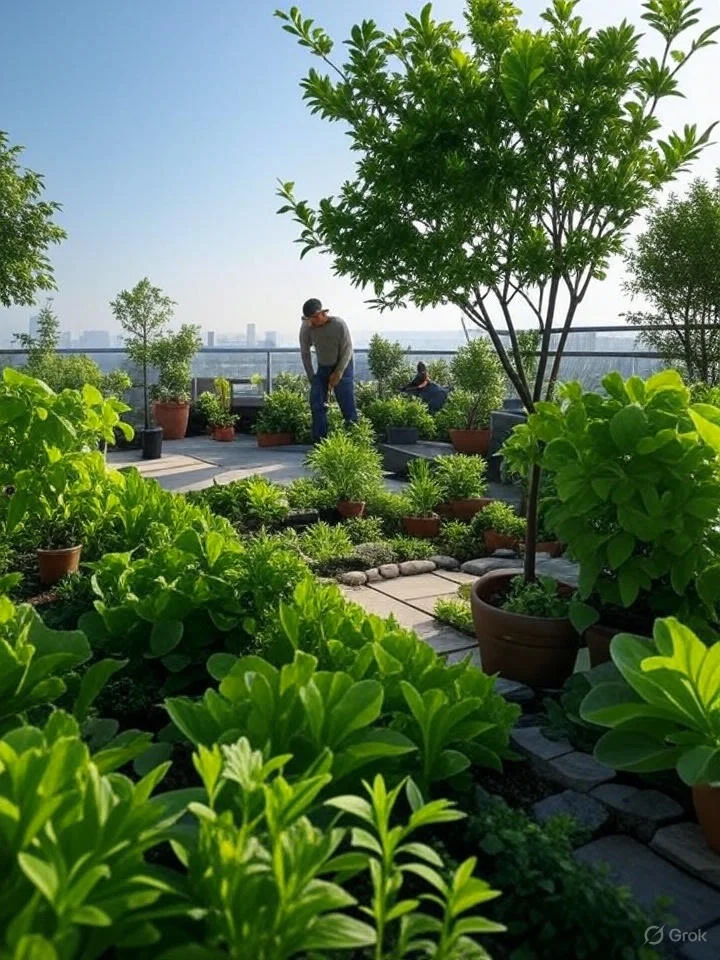
A practical, beginner-friendly guide to turning everyday kitchen scraps into compost, mulch, and fast-acting natural fertilizers—whether you have a backyard, balcony, or small flat.
Introduction: Why zero-waste gardening matters
Zero-waste gardening is about closing the loop between your kitchen and your soil. Instead of sending food scraps to landfill—where they create methane—you return nutrients back to plants. This builds soil life, reduces trash, saves money on fertilizers, and creates a healthier garden ecosystem. When done correctly, it doesn’t smell, attract pests, or require much space or time. It’s simply a more efficient, circular system.
Understanding kitchen scraps as a resource
Kitchen scraps are not “waste.” They are raw materials rich in nutrients, moisture, and energy for soil organisms.
Think of scraps in two basic groups:
- Nitrogen-rich “greens”: fresh food scraps like vegetable peels, coffee grounds, fruit waste
- Feed microbes and speed decomposition
- Carbon-rich “browns”: dry materials like cardboard, dry leaves, paper
- Prevent smells and balance moisture
This balance is often called the C:N ratio (carbon to nitrogen). In simple terms:
👉 For every bucket of food scraps, add about two buckets of dry material.
When this balance is right, scraps break down cleanly and safely into a valuable soil amendment.
Composting kitchen scraps (slow-release soil food)
Compost is slow-release plant food. It doesn’t “feed plants” directly—it feeds soil life, which then feeds plants steadily over time.
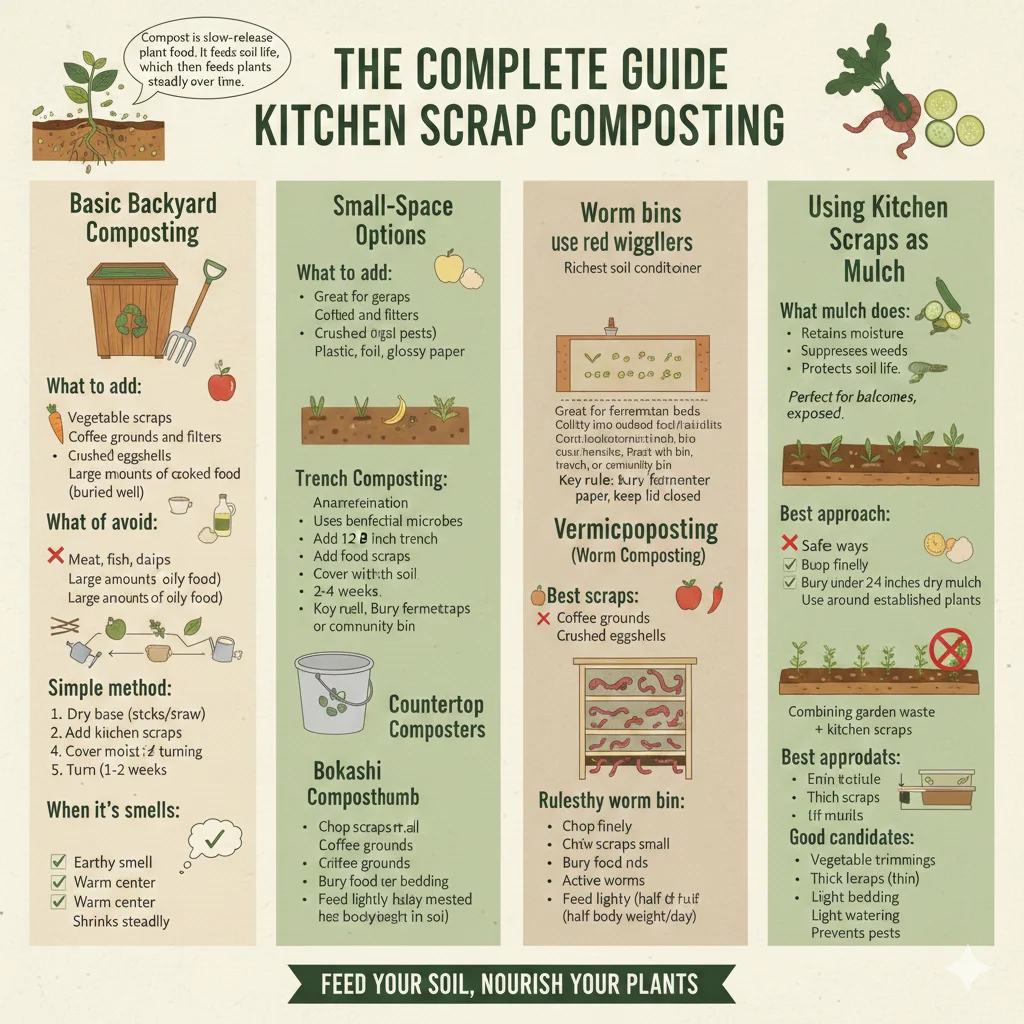
Basic backyard composting
Best if you have outdoor space.
What to add
- Vegetable scraps, fruit peels
- Coffee grounds and filters
- Crushed eggshells
- Small amounts of cooked food (buried well)
What to avoid
- Meat, fish, dairy (attract pests)
- Large amounts of oily food
- Plastic, foil, glossy paper
Simple method
- Start with a dry base (sticks or straw for airflow)
- Add kitchen scraps
- Cover completely with browns (cardboard, dry leaves)
- Keep moist like a wrung-out sponge
- Turn every 1–2 weeks if possible
When it’s working
- Smells earthy, not sour
- Warm in the center
- Shrinks steadily
If it smells
- Too wet or too many greens → add more browns
Small-space options: trench, bokashi, and countertop systems
Trench composting
Great for garden beds.
- Dig a 12–18 inch trench
- Add food scraps
- Cover fully with soil
- Plant on top after 2–4 weeks
No smell, no bin, no turning. Ideal for seasonal beds.
Bokashi composting
An anaerobic (airtight) fermentation system.
- Uses beneficial microbes
- Accepts cooked food and small bones
- Produces leachate (liquid runoff)
Key rule:
Always bury fermented scraps in soil after fermentation—bokashi is not finished compost.
Countertop composters
Useful for apartments.
- Collect scraps indoors
- Empty into outdoor compost, trench, or community bin
- Line with paper and keep lid closed to prevent odors
Vermicomposting (worm composting)
Worm bins use red wigglers to convert scraps into vermicompost, one of the richest soil conditioners available.
Best scraps
- Vegetable peels
- Coffee grounds
- Crushed eggshells
Avoid
- Citrus in excess
- Spicy or salty foods
Rules of thumb
- Chop scraps small
- Bury food under bedding
- Feed lightly—worms eat about half their body weight per day
Healthy worm bin
- Smells like forest soil
- Worms are active
- Bedding stays moist, not wet
Perfect for balconies and small-space composting.
Using kitchen scraps as mulch
What mulch does and why it matters
A mulch layer:
- Retains moisture
- Suppresses weeds
- Protects soil life
- Moderates soil temperature
Kitchen scraps can contribute when used correctly.
Safe ways to mulch with kitchen scraps
Never leave fresh scraps exposed.
Best approach
- Chop scraps finely
- Bury under 2–4 inches of dry mulch (leaves, straw)
- Use around established plants, not seedlings
Good candidates
- Vegetable trimmings
- Coffee grounds (thin layers)
- Crushed eggshells
Combining garden waste and kitchen scraps for mulch
Layering works best:
- Thin layer of scraps
- Thick layer of dry leaves or straw
- Light watering
This prevents pests while allowing slow breakdown.
Natural fertilizers from kitchen scraps (fast-acting boosts)
Some scraps can provide quick nutrient access without full composting.
Direct-use scraps that feed plants quickly
- Eggshells for plants: rinse, dry, crush → calcium source
- Coffee grounds: mild nitrogen boost, improves soil texture
- Banana peels: potassium source (bury or ferment)
Always apply below the soil surface.
Scrap “teas” and fermented liquid fertilizers
Simple compost tea
- Handful of finished compost
- Bucket of water
- Steep 12–24 hours
- Use immediately
Feeds soil microbes, not just plants.
Fermented scrap water
- Banana peels or vegetable scraps
- Water + sealed jar
- Ferment 3–7 days
- Dilute 1:10 before use
If it smells rotten, discard—it should smell sour-sweet, not foul.
Worm tea and compost extracts
- Collected from worm bins
- Dilute until light tea color
- Apply to soil, not leaves
Avoid storing—use fresh.
Safety, common mistakes, and troubleshooting
Avoiding pests, odors, and imbalances
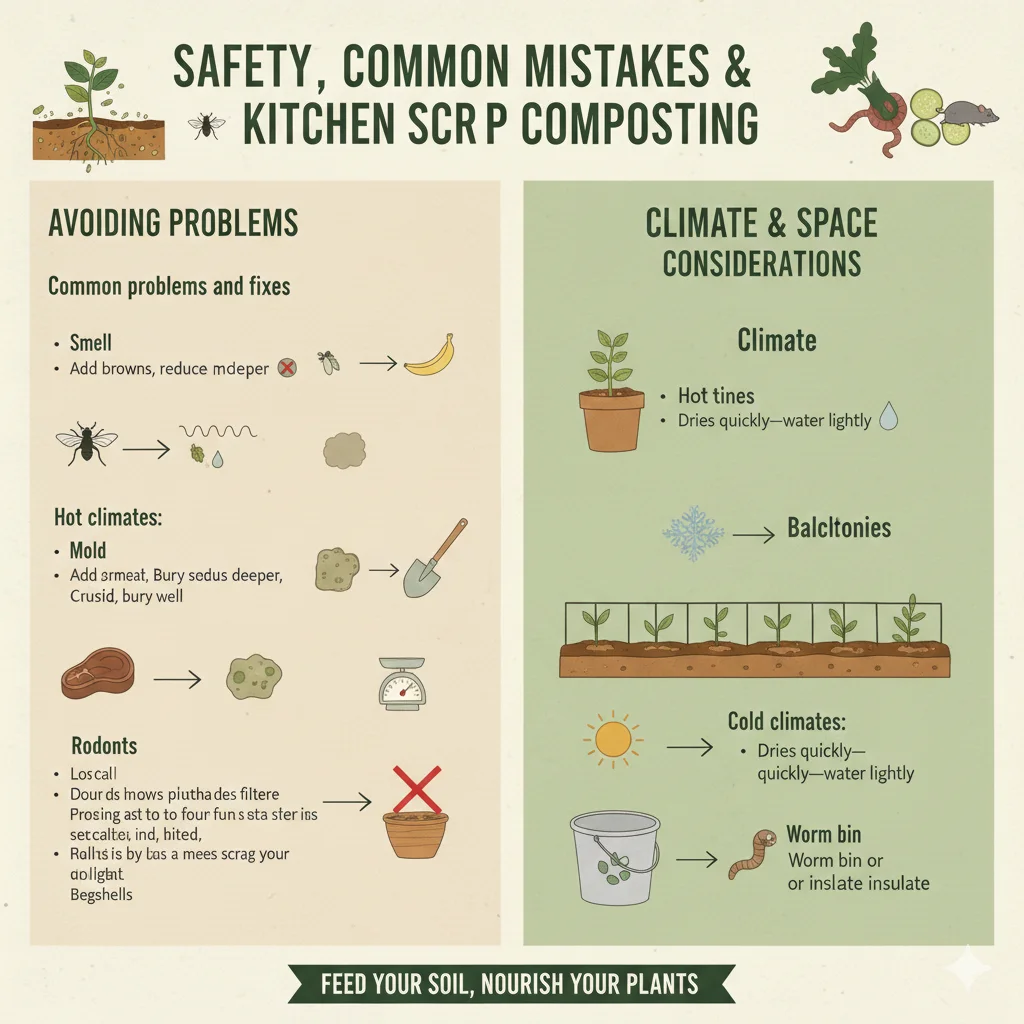
Common problems and fixes
- Smell → Add browns, reduce moisture
- Flies → Bury scraps deeper
- Mold → Normal in compost; mix and balance
- Rodents → Avoid meat, bury scraps well
Climate and space considerations
- Hot climates: compost dries quickly—water lightly
- Cold climates: decomposition slows—insulate bin
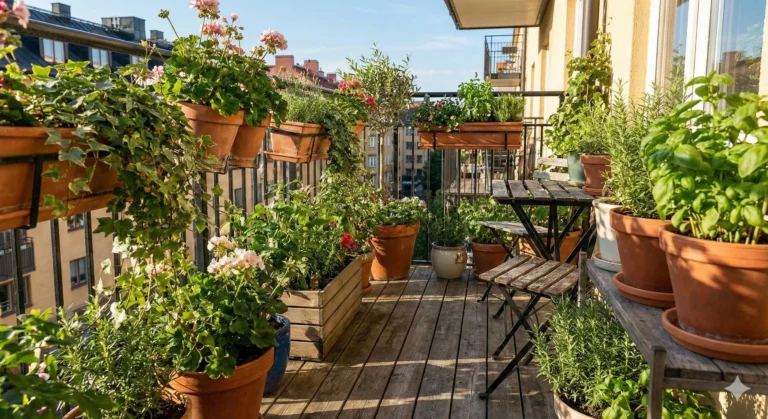
- Balconies: worm bins or bokashi work best
When compost is ready and how to use it
Finished compost:
- Dark brown to black
- Crumbly texture
- Smells like soil
How to use
- Mix into beds before planting
- Top-dress around plants
- Blend into potting mixes (up to 30%)
Unfinished compost should stay buried.
Everyday habits to stay zero-waste
- Keep a small scrap container in the kitchen
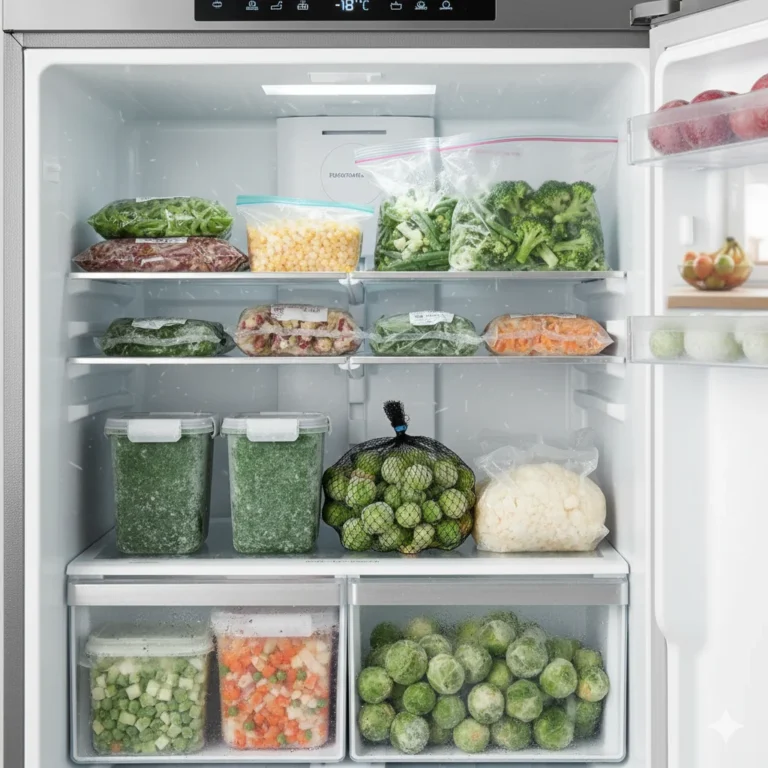
- Freeze scraps if composting weekly
- Tear cardboard as you go
- Rotate methods (worm bin + trench composting)
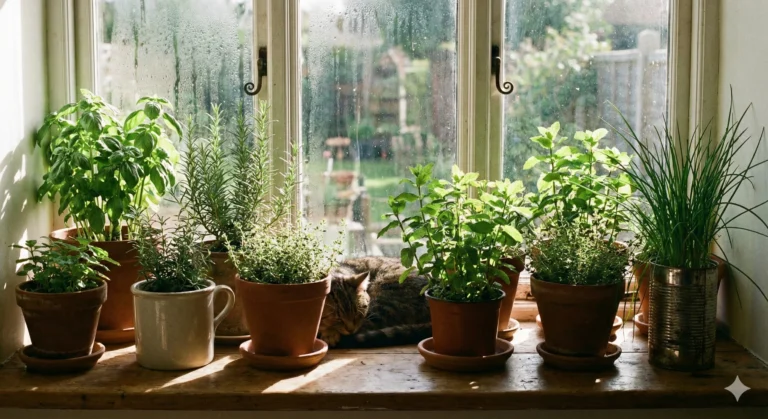
- Regrow vegetables from food scraps (green onions, lettuce, herbs)
Zero-waste gardening is not about perfection. It’s about consistently returning nutrients to the soil. Once it becomes habit, your trash shrinks, your soil improves, and your garden becomes more resilient—naturally.