Master Urban Homesteading: Your Complete City Self-Sufficiency Guide
Introduction to Urban Homesteading
Urban homesteading transforms city living spaces—apartments, condos, townhouses, and small yards—into productive environments for growing food, reducing waste, and developing self-reliance skills. Unlike traditional rural homesteading that requires acreage, urban homesteading adapts self-sufficiency principles to work within the constraints of city life: limited square footage, rental restrictions, zoning laws, and close neighbors.
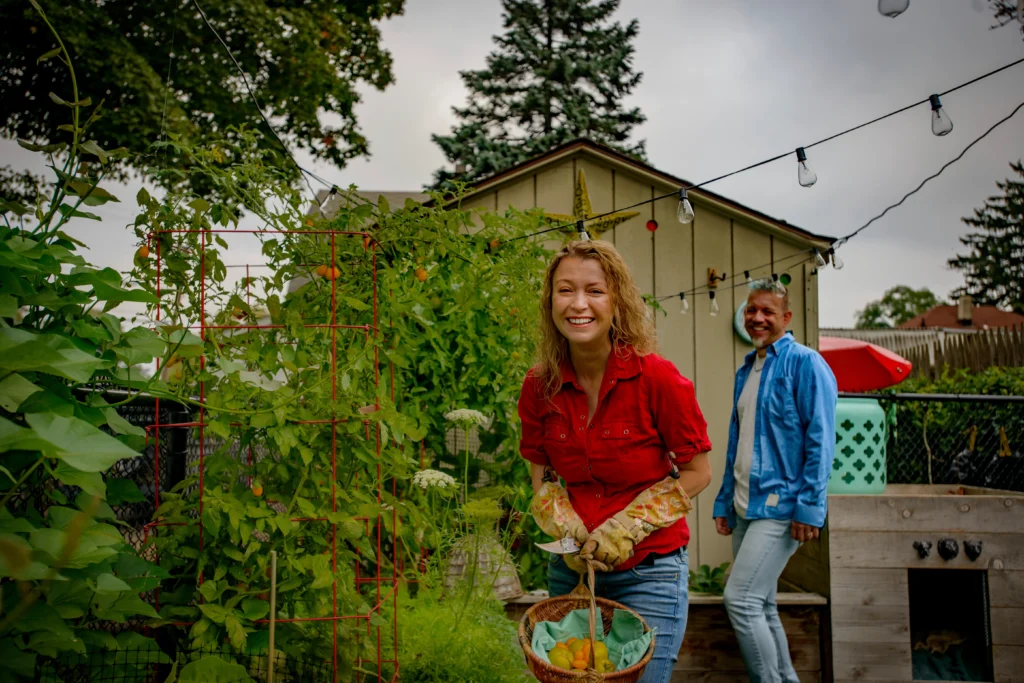
This practice encompasses container gardening on balconies, indoor food production, composting in small spaces, food preservation, making household products, and adopting sustainable habits that reduce dependence on commercial systems. Urban homesteaders don’t aim for complete self-sufficiency—that’s unrealistic in cities—but rather meaningful increases in food production, waste reduction, and practical skills that lower living costs and environmental impact.
Why Choose Urban Homesteading?
Financial Benefits Growing your own produce can save $600-1,200 annually on groceries. A single tomato plant yields 10-30 pounds of tomatoes worth $30-90 at organic prices. Making your own cleaning products costs 75-90% less than store-bought equivalents. Food preservation extends seasonal abundance, reducing winter grocery bills.
Health and Nutrition Homegrown vegetables contain more nutrients than store-bought produce that’s traveled thousands of miles. You control pesticide use, fertilizer choices, and harvest timing for peak nutrition. Growing food increases physical activity and provides measurable stress reduction—studies show gardening lowers cortisol levels by 12-15%.
Environmental Impact Home food production eliminates packaging, transportation emissions, and industrial agriculture’s environmental costs. Composting diverts 30% of household waste from landfills. Rainwater harvesting reduces municipal water demand. Each urban homesteader’s actions multiply across neighborhoods to create meaningful ecological change.
Skill Development and Resilience Urban homesteading builds practical competencies: food growing, preservation, fermentation, basic repairs, and resourcefulness. These skills provide security during supply chain disruptions, economic uncertainty, or personal financial challenges. You gain problem-solving abilities and confidence in managing household needs independently.
Connection and Purpose Growing food reconnects you with seasonal cycles and natural processes often invisible in city life. Many urban homesteaders report increased life satisfaction from producing tangible results with their hands, reducing consumer dependence, and aligning daily actions with environmental values.
Assessing Your Space and Resources
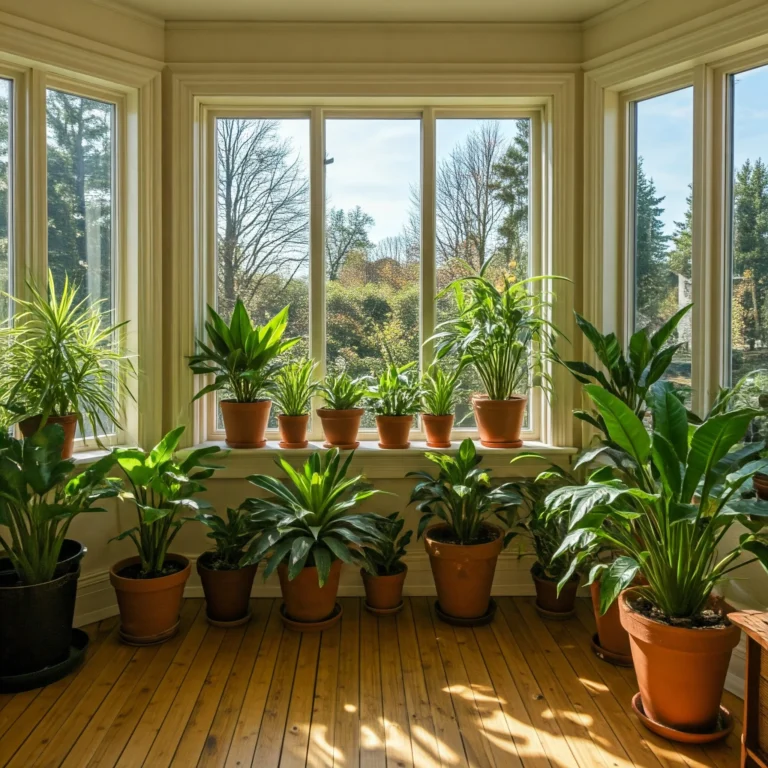
Light Inventory Track sunlight exposure across your available spaces for one full day:
- Full sun: 6+ hours direct sunlight (balconies, south-facing windows, rooftops)
- Partial sun: 3-6 hours (east or west windows, partially shaded patios)
- Shade: Under 3 hours (north-facing areas, heavily shaded spots)
Most vegetables need full sun. Leafy greens tolerate partial sun. Herbs like mint and parsley handle shade. This assessment determines what you can grow where.
Space Catalog Document every potential growing area:
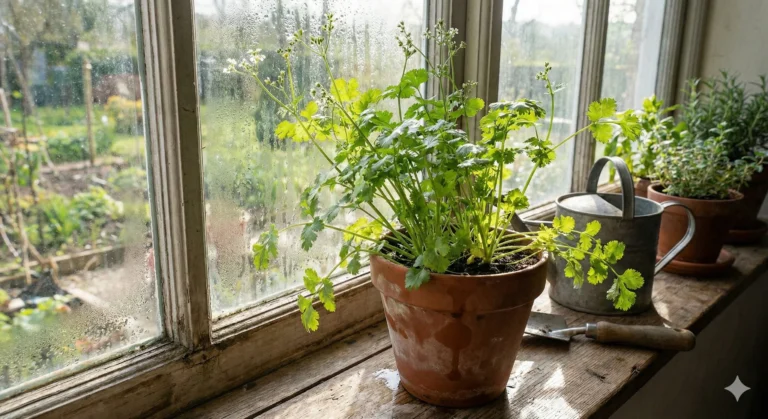
- Window sills (interior herb gardens, microgreens)
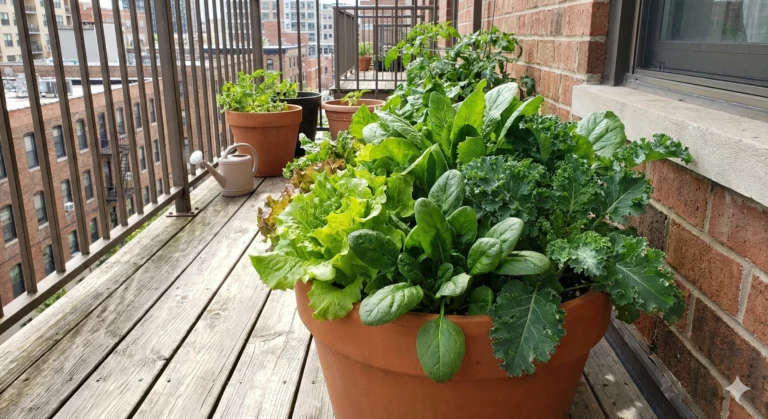
- Balconies and patios (container gardens, vertical structures)
- Rooftops (if accessible and permitted)
- Indoor floor space (grow lights, shelving systems)
- Walls (vertical planters, hanging systems)
- Shared spaces (community gardens, neighbors’ yards in exchange for produce)
Calculate square footage. A 4×8-foot balcony provides 32 square feet—enough for 15-20 container plants producing 100+ pounds of vegetables annually.
Restrictions and Regulations Research before investing:
- Rental agreements: balcony weight limits, drilling permissions, garden restrictions
- HOA rules: container types, aesthetic requirements, composting allowances
- City ordinances: composting regulations, rainwater collection legality, urban livestock permissions
- Building codes: structural considerations for rooftop gardens, heavy containers
Get permissions in writing. Many landlords approve gardens that improve property appearance and don’t cause damage.
Resource Assessment
- Water access: outdoor spigots, distance from indoor sources, rainwater collection potential
- Storage: space for tools, soil, containers, preserved food
- Budget: start-up costs ($50-300 for basic setup) versus ongoing expenses
- Time: realistic weekly hours available (minimum 2-3 hours for basic maintenance)
Starting an Urban Garden
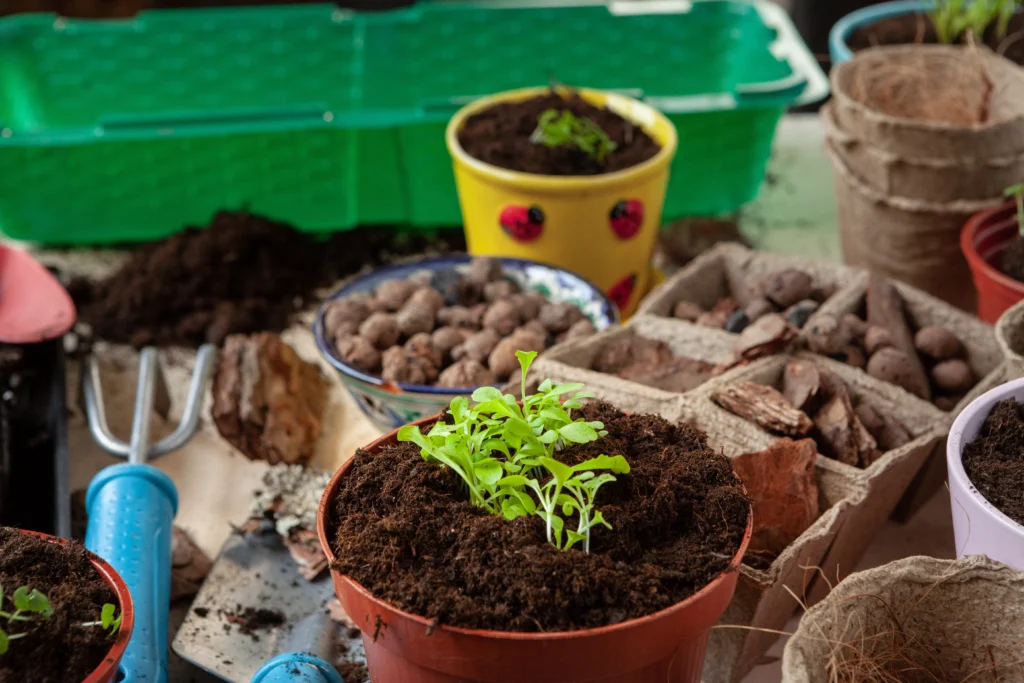
Container Selection Choose containers with drainage holes, minimum 12-inch depth for most vegetables:
- 5-gallon buckets: tomatoes, peppers, eggplants ($3-5 each)
- Fabric grow bags: breathable, lightweight, collapsible storage ($8-15)
- Window boxes: herbs, lettuces, strawberries ($15-30)
- Self-watering containers: reduce watering frequency ($20-40)
- Food-grade storage bins: large-capacity growing ($10-20)
Avoid small decorative pots—they dry out quickly and restrict root growth. One 5-gallon container per plant for tomatoes, peppers, cucumbers. Multiple plants per container for lettuce, radishes, herbs.
Soil and Amendments Never use garden soil in containers—it compacts and drains poorly. Use high-quality potting mix ($8-12 per cubic foot) containing:
- Peat moss or coir (moisture retention)
- Perlite or vermiculite (drainage and aeration)
- Compost (nutrients and beneficial microbes)
Add controlled-release organic fertilizer at planting. Container plants need regular feeding—compost tea every 2 weeks or diluted fish emulsion weekly.
Crop Selection for Small Spaces Prioritize high-value, productive crops:
Best ROI vegetables:
- Tomatoes: $30-90 per plant yield
- Salad greens: continuous harvest, 4-week maturity
- Herbs: expensive to buy, easy to grow
- Peppers: long season, continuous production
- Beans: vertical growing, nitrogen-fixing
- Radishes: 25-day maturity, succession planting
Space-efficient varieties:
- Determinate tomatoes (bush types, not sprawling vines)
- Compact cucumbers (bush varieties for containers)
- Asian greens (fast-growing, multiple harvests)
- Microgreens (10-14 day harvest cycle)
Avoid space-wasters like corn, pumpkins, and sprawling melons unless you have significant square footage.
Vertical Growing Systems Maximize production per square foot:
- Trellises: beans, peas, cucumbers, vining tomatoes (add 30-50% more growing space)
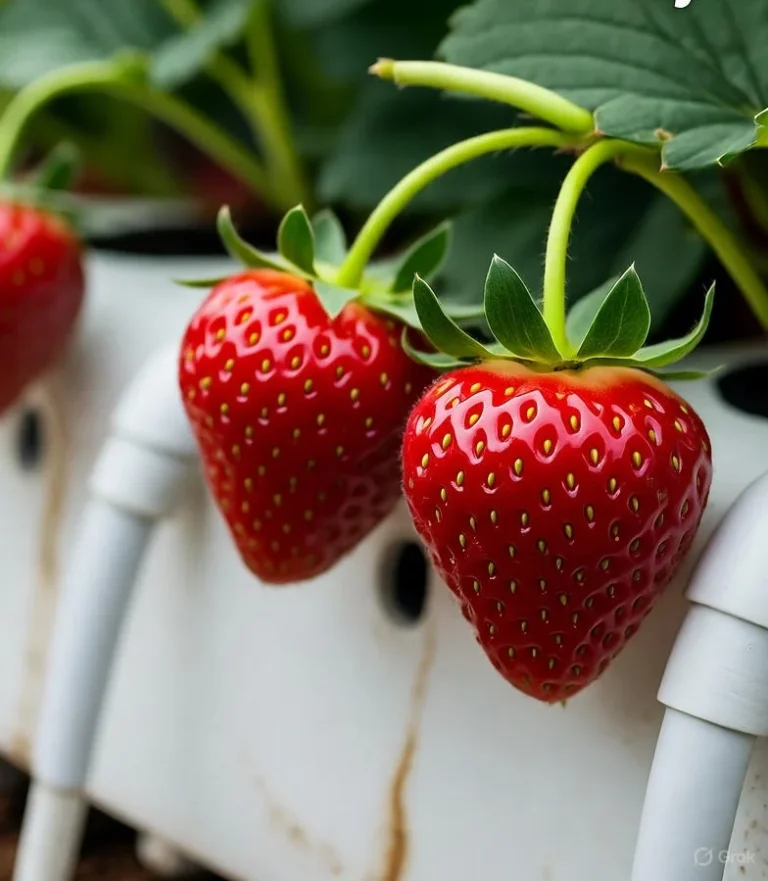
- Tower gardens: stacked planters for strawberries, herbs, lettuce
- Wall-mounted planters: modular systems, pocket planters
- Hanging baskets: cherry tomatoes, trailing herbs, strawberries
- Espalier techniques: training plants flat against walls
A 4×4-foot area with 6-foot vertical trellis provides 40 square feet of growing surface instead of 16.
Succession Planting Extend harvest periods and maximize space:
- Plant lettuce every 2 weeks for continuous salads
- Follow spring radishes with summer beans in same containers
- Replace finished plants immediately with new seedlings
- Interplant fast crops (radishes, lettuce) with slow crops (tomatoes, peppers)
This strategy can double or triple annual production from the same containers.
Indoor Growing with Lights When outdoor space is insufficient:
- LED grow lights: $30-100, energy-efficient, low heat
- T5 fluorescent: budget option for herbs and greens
- Light requirements: 12-16 hours daily for vegetables, 6-8 for herbs
- Placement: 6-12 inches above plants, adjust as they grow
A 2×4-foot shelf with grow lights produces year-round herbs, microgreens, and leafy greens—$300-500 annual value from $150 setup.
Composting and Waste Reduction
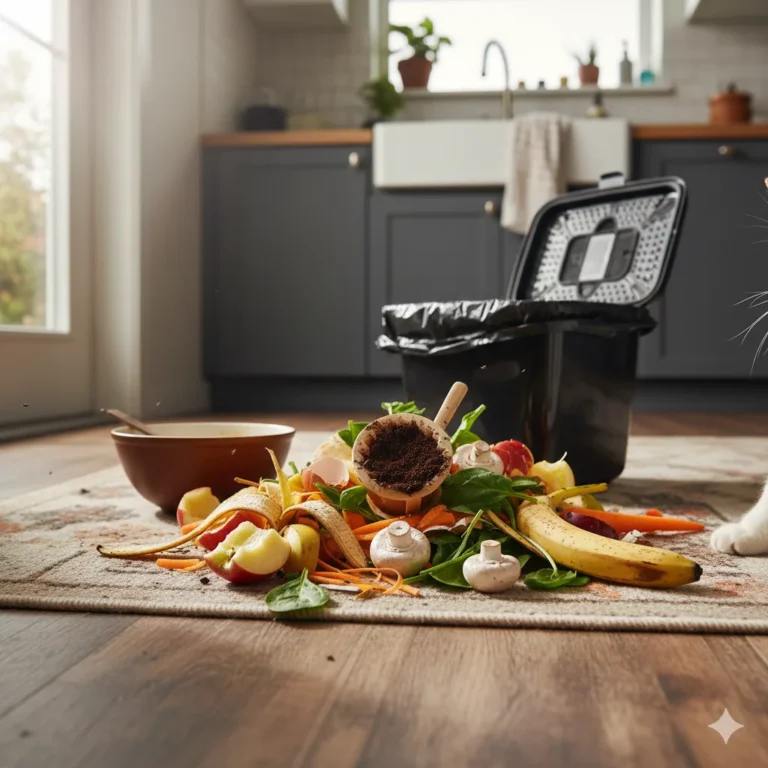
Vermicomposting (Worm Bins) The most practical urban composting method:
Setup ($40-80):
- 10-15 gallon plastic bin with lid
- Drill 1/8-inch air holes (sides, bottom)
- Bedding: shredded newspaper, cardboard (moistened)
- 1 pound red wiggler worms (1,000 worms)
Maintenance:
- Feed weekly: fruit/vegetable scraps, coffee grounds, crushed eggshells
- Avoid: meat, dairy, oils, citrus (in excess)
- Bury food under bedding to prevent odors
- Harvest finished compost every 3-4 months
Worm bins are odorless when properly managed and handle 3-5 pounds of weekly food waste—perfect for apartments. Finished vermicompost is nutrient-rich fertilizer worth $40+ per cubic foot.
Bokashi Composting Fermentation-based method for all food waste including meat and dairy:
System ($60-90):
- 5-gallon airtight bucket with spigot
- Bokashi bran (microbe-inoculated grain)
Process:
- Add food waste daily
- Sprinkle bokashi bran over each layer
- Press down to remove air pockets
- Drain liquid every 2-3 days (diluted 1:100 as fertilizer)
- Full bucket ferments 10-14 days then buried or added to compost
Bokashi handles 100% of kitchen waste, produces no odors, and works in any space.
Waste Reduction Strategies Reduce household waste by 50-70%:
- Meal planning: eliminate food spoilage ($150 annual savings)
- Root-to-stem cooking: use vegetable scraps, stems, leaves
- Cloth alternatives: napkins, towels, shopping bags
- Bulk buying: reduce packaging waste
- DIY products: replace disposable cleaning supplies, personal care items
- Repair culture: fix instead of replace appliances, clothing
Track waste for one week to identify major sources, then implement targeted solutions.
Food Preservation for Urban Dwellers
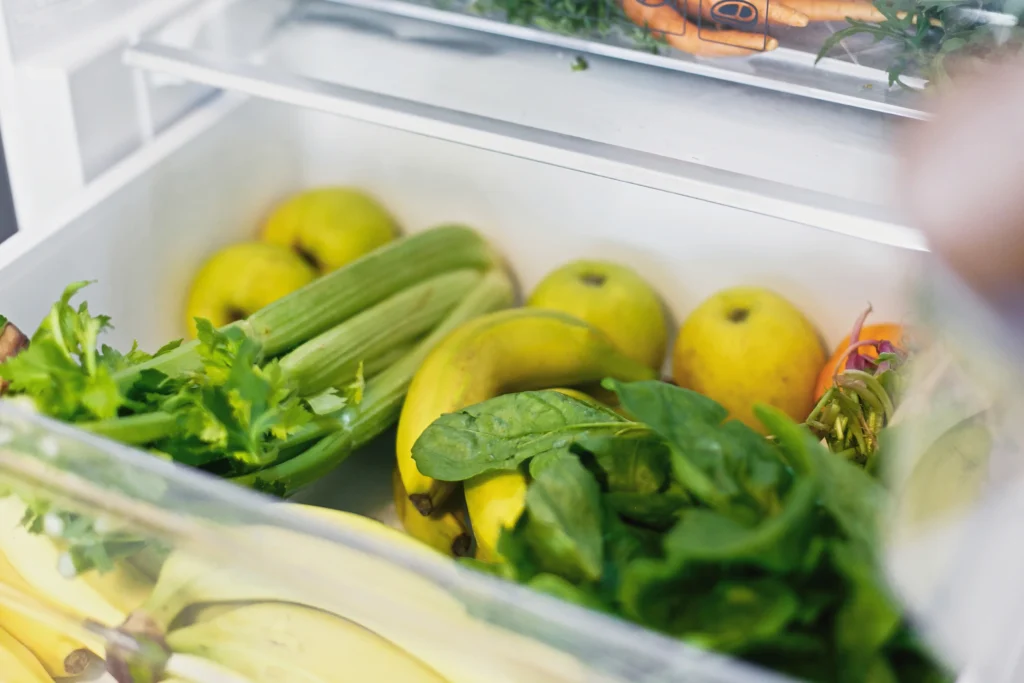
Freezing Simplest preservation method, maintains maximum nutrition:
- Blanch vegetables 2-3 minutes before freezing (stops enzyme activity)
- Freeze herbs in olive oil in ice cube trays
- Flash-freeze berries on trays before bagging (prevents clumping)
- Vacuum sealing extends storage 3-5x over regular bags
Freezer inventory prevents forgotten food. Label with contents and date.
Fermentation Probiotic-rich preservation requiring minimal equipment:
Sauerkraut (basic recipe):
- 2 pounds cabbage, shredded
- 1 tablespoon salt
- Massage until liquid releases
- Pack tightly in jar, weigh down below liquid
- Ferment 3-10 days at room temperature
Other ferments:
- Kimchi, pickles, hot sauce, fermented salsa
- Kombucha (fermented tea, requires SCOBY)
- Sourdough starter (wild yeast for bread)
Fermentation requires no refrigeration during processing, uses minimal space, and increases food’s nutritional value.
Dehydrating Compact storage, no refrigeration needed:
- Electric dehydrator ($40-150): consistent results, multiple trays
- Oven drying: low temperature (140°F), door cracked, less efficient
- Herbs: air dry by hanging in bundles
Dehydrate tomatoes, zucchini, peppers, fruit, herbs. Rehydrate for cooking or eat as snacks. One pound fresh produce becomes 2-4 ounces dried—massive space savings.
Water Bath Canning Preserve high-acid foods (jams, pickles, tomatoes):
Equipment ($50-100):
- Large pot with rack (or specific canning pot)
- Jar lifter, funnel, headspace tool
- Mason jars and new lids
Process:
- Fill sterilized jars with prepared food
- Process in boiling water (time varies by recipe)
- Sealed jars stable at room temperature for 1-2 years
Focus on small-batch canning (4-7 jars) to match urban harvest quantities and limited storage.
Indoor Homesteading Projects
Microgreens Production Fast, nutritious, high-value crops:
- 10×14-inch tray yields 8-12 ounces microgreens ($12-20 value)
- 10-14 day harvest cycle
- Best varieties: sunflower, pea shoots, radish, broccoli
- Requirements: potting soil, seeds, light, water
- Continuous production: start new trays every 3-4 days
One shelf produces $400-800 annual value in microgreens.
Mushroom Growing Gourmet varieties in small spaces:
- Mushroom grow kits: oyster, shiitake, lion’s mane ($25-40, multiple flushes)
- Coffee ground substrate: inoculate with spawn, fruit in 2-3 weeks
- Cool, humid environment (basements, bathrooms)
- Yields: 1-2 pounds per kit over 2-3 months
Mushrooms provide high-protein, medicinal food in low-light conditions.
Sprouts Simplest indoor food production:
- Equipment: wide-mouth jar, sprouting lid ($8-12)
- Seeds: alfalfa, broccoli, mung bean
- Process: rinse 2-3x daily, ready in 3-7 days
- Yield: 1 tablespoon seeds produces 1-2 cups sprouts
Sprouts provide fresh greens year-round without lights or space.
Indoor Herb Gardens Year-round fresh herbs:
- South-facing window: 6+ varieties in 18-24 inches
- Supplemental lighting extends options
- Best performers: basil, cilantro, parsley, chives, mint
- Continuous harvest: never cut more than 1/3 of plant
Fresh herbs cost $3-4 per package—home production saves $300-600 annually.
Aquaponics Systems Fish and plants in closed-loop systems:
- 20-gallon system: 2-4 fish, 4-6 plant sites ($200-400)
- Goldfish or tilapia (where legal) produce ammonia, converted to plant fertilizer
- Continuous harvest: lettuce, herbs, small vegetables
- Space-efficient: vertical designs available
Aquaponics combines protein production with vegetables in space-limited setups.
DIY Skills and Home Efficiency
Household Products Replace commercial products with simple formulas:
All-purpose cleaner:
- 1 part white vinegar
- 1 part water
- Optional: essential oils for scent
- Cost: $0.50 per 32-ounce bottle versus $4-6 commercial
Laundry detergent:
- 1 bar grated castile soap
- 1 cup washing soda
- 1 cup borax
- Use 1-2 tablespoons per load
- Cost: $0.10 per load versus $0.35
Other DIY products:
- Window cleaner (vinegar + water)
- Soft scrub (baking soda + castile soap)
- Dish soap (castile soap + washing soda)
Annual savings: $200-400 on cleaning supplies.
Food from Scratch Reduce grocery costs and packaging:
- Bread: $0.50 per loaf versus $4-6 artisan bread
- Yogurt: $0.40 per quart versus $5-7
- Granola: $0.75 per pound versus $8-12
- Nut milk: $1 per quart versus $4-5
- Broth: free from vegetable scraps versus $4-6
Start with 2-3 staples, expand gradually as skills develop.
Basic Home Repairs Reduce service call costs ($100-200 per visit):
- Plumbing: toilet repairs, faucet washers, unclogging drains
- Electrical: outlet/switch replacement (with proper safety)
- Appliances: troubleshooting, filter changes, basic maintenance
- Weatherization: caulking, weatherstripping, insulation
YouTube provides detailed tutorials for most repairs. Tools pay for themselves in one avoided service call.
Energy Efficiency Lower utility bills:
- LED bulbs: 75% less electricity than incandescent
- Smart power strips: eliminate phantom loads (5-10% of electric bill)
- Insulation: window films, draft stoppers, thermal curtains
- Water conservation: low-flow showerheads, faucet aerators
- Thermal cooking: haybox cookers, pressure cookers
- Line drying: eliminate dryer usage spring through fall
Combined strategies reduce utilities by 20-40% ($300-800 annually).
Textile Skills Extend clothing life, create reusable items:
- Basic sewing: hem repairs, button replacement
- Visible mending: decorative repair techniques
- Upcycling: convert worn clothing to household items
- Making: cloth napkins, produce bags, reusable wipes
Hand-sewing kit ($15-25) covers 90% of household mending needs.
Urban Livestock (Where Legal)
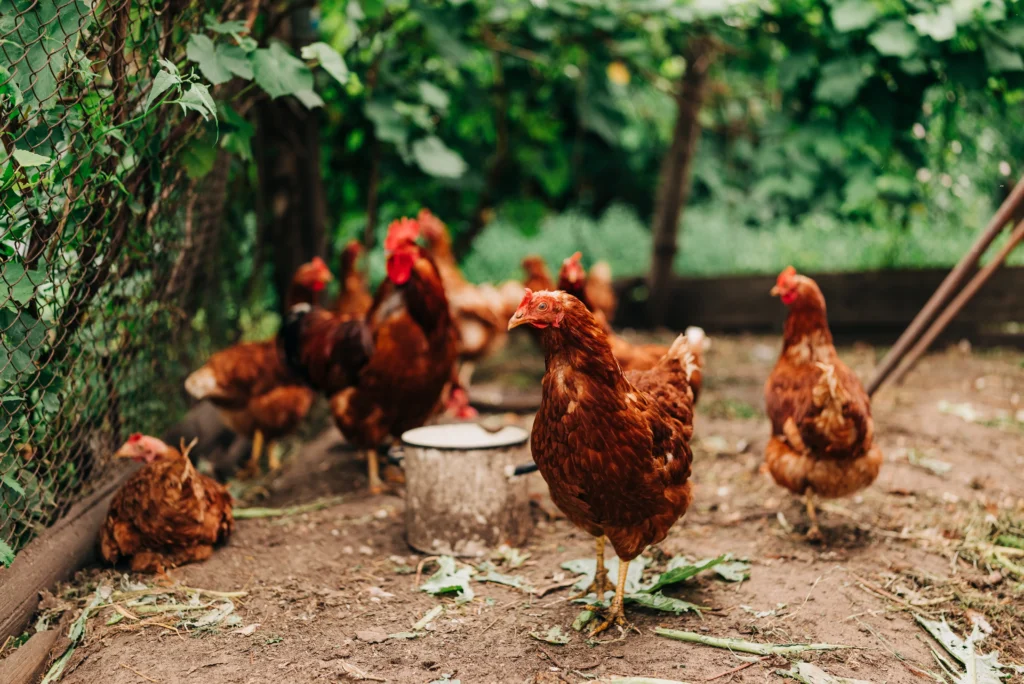
Chickens Most accessible urban livestock:
Requirements:
- Check city ordinances (many allow 3-6 hens, no roosters)
- 4 square feet coop space per bird minimum
- 10 square feet outdoor run per bird
- Predator-proof housing
- Daily care: feeding, watering, egg collection
- Budget: $300-600 setup, $20-30 monthly feed
Yields:
- 3 hens produce 12-18 eggs weekly (650-900 annually)
- Value: $250-450 per year in organic eggs
- Nitrogen-rich manure for composting
Chickens reduce food waste (they eat kitchen scraps) and provide pest control.
Rabbits Quiet, efficient protein production:
- Smaller space requirements than chickens
- All-wire hutches work on balconies or in garages
- Breeding trio produces 150-200 pounds meat annually
- Manure is cold compost (use immediately in gardens)
- Check local regulations—less commonly permitted than chickens
Bees Pollination and honey production:
- Single hive fits 2×2 feet
- Rooftop or backyard placement
- Annual yield: 30-60 pounds honey ($300-900 value)
- Minimal daily maintenance (weekly checks during season)
- Initial investment: $400-600, ongoing costs $50-100 annually
Urban beekeeping requires significant research and commitment—join local beekeeping association for mentorship.
Quail Alternative to chickens where poultry prohibited:
- Coturnix quail mature in 6-8 weeks
- Small cages suitable for garage or basement
- Eggs and meat production
- Quieter than chickens
- Often not regulated by poultry ordinances
Due Diligence Before acquiring any livestock:
- Research city/county ordinances thoroughly
- Check HOA restrictions
- Discuss plans with neighbors
- Understand commitment (daily care, vacation planning)
- Calculate costs versus buying products commercially
- Have veterinary contact for exotic pets
- Plan for end-of-life or rehoming if circumstances change
Building Urban Homesteading Community
Locating Resources
- Municipal community gardens: wait lists vary, often $25-75 annual fees
- Neighborhood associations: may manage shared green spaces
- Faith communities: some churches provide garden plots to members
- Schools: community access to gardens during summer
- Online directories: Urban Farming, LocalHarvest, falling fruit maps
Sharing Economy Build resilience networks:
- Tool libraries: share expensive equipment (tillers, pressure canners)
- Seed swaps: exchange varieties, preserve heirloom genetics
- Plant exchanges: divide perennials, trade starts
- Skill shares: teach your strengths, learn from others
- Crop swaps: trade surplus produce
These systems multiply resources while building social capital.
Knowledge Networks
- Extension services: free research-based gardening advice, testing services
- Master Gardener programs: volunteer in exchange for intensive training
- Online forums: r/homesteading, r/urbanhomestead, GardenWeb
- Local Facebook groups: hyperlocal advice for your climate
- YouTube channels: specific techniques, variety reviews
Advocacy Expand urban agriculture options:
- Attend city council meetings on ordinances
- Support community garden funding
- Advocate for chicken ordinances, beekeeping permits
- Push for food waste composting programs
- Join food policy councils
Individual voices create policy change that benefits all urban homesteaders.
Teaching and Mentoring Share your knowledge:
- Host garden tours
- Teach workshops at libraries, community centers
- Write blogs documenting your journey
- Mentor beginners one-on-one
- Participate in neighborhood events
Teaching reinforces your own learning while building community resilience.
Resources for the Urban Homesteader
Essential Books
- “The Urban Homestead” by Kelly Coyne and Erik Knutzen: comprehensive city self-sufficiency guide
- “Square Foot Gardening” by Mel Bartholomew: maximize small-space production
- “The Art of Fermentation” by Sandor Katz: preservation and probiotics
- “The Backyard Homestead” by Carleen Madigan: applies to small spaces with modifications
Online Platforms
- Universityextension websites: free, research-based, region-specific advice
- Epic Gardening (Kevin Espiritu): container gardening expertise
- MIgardener: budget-focused homesteading and seed company
- Roots and Refuge Farm: homesteading skills and inspiration
Apps and Digital Tools
- iNaturalist: identify plants, pests, diseases
- Garden Plan Pro: plan layouts, track plantings
- Planta: watering reminders, care instructions
- From Seed to Spoon: planting schedules by location
Supply Sources
- Local nurseries: climate-appropriate varieties, staff expertise
- Seed companies: Johnny’s, High Mowing, Baker Creek (heirlooms)
- Restaurant supply stores: bulk jars, food-service equipment discounts
- Craigslist/Facebook Marketplace: used equipment, containers, materials
- Freecycle: free materials from community members
Continuing Education
- Webinars: Extension services, seed companies host free sessions
- Podcasts: The Urban Farm Podcast, Urban Homesteading Podcast
- Conferences: Mother Earth News Fairs, regional homesteading events
- Certification programs: Permaculture Design, Master Gardener
Conclusion
Urban homesteading isn’t about abandoning city life—it’s about making city life more resilient, sustainable, and self-directed. You don’t need land to grow significant food, reduce waste, develop practical skills, and build security against uncertainty. Start with one container of tomatoes or one jar of fermented pickles. Master that single element, then add another.
The compound effect of small actions creates meaningful change. A balcony garden producing 100 pounds of vegetables. A worm bin transforming waste into fertilizer. Homemade products replacing dozens of purchased items. Each skill builds confidence for the next.
Your urban homestead might never achieve complete self-sufficiency—that’s not the goal. The goal is agency: controlling more of your food, resources, and skills rather than depending entirely on commercial systems. It’s choosing productive purpose over passive consumption.
Your first step: Assess your space this week. Catalog every sunny spot, every square foot with potential. Choose one project—one container, one fermentation jar, one DIY product. Start there. The urban homesteading community is waiting to support your journey toward resilient, self-sufficient city living.