Thrive: Your Zone 7 August Veggie Planting Guide
August in USDA Zone 7 is a season of transition—summer heat begins to ease, and a remarkable window opens for planting cool-season crops that will carry your garden well into fall and beyond. If you’ve been waiting for the right moment to pivot from tomatoes and squash to something fresher and more forgiving, this is it.
Introduction
August marks the shift to fall planting in USDA Zone 7, where average first frosts arrive between mid-October and early November, giving you a workable 10-to-12-week growing window from mid-August onward (USDA Plant Hardiness Zone Map, 2012). This timing is precisely why fall vegetable planting in August in Zone 7 rewards gardeners who plan ahead—cool-season vegetables not only tolerate the gradually dropping temperatures, many of them actually improve in flavor after a light frost (Flannery, Extension Horticulture Bulletin, 2019). Your focus this month should be on fast-maturing leafy greens, root vegetables, and brassicas that can establish themselves before the cold sets in and continue producing long after summer crops have faded.
Key Vegetables to Plant
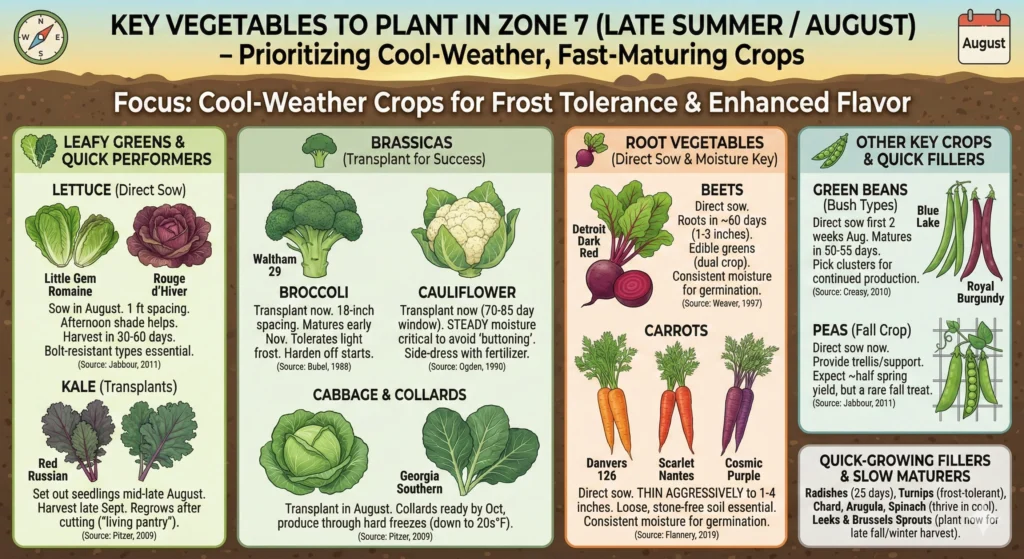
Prioritizing the right crops is half the battle when it comes to late summer planting in Zone 7 vegetables. Fast-maturing cool-weather crops like leafy greens and brassicas are your most reliable performers because they tolerate light frosts and actually develop sweeter, more complex flavors as nighttime temperatures drop (Deardorff & Wadsworth, What’s Wrong With My Vegetable Garden?, 2009).
Lettuce is one of the most rewarding vegetables to direct-sow in August. Varieties like Little Gem Romaine and Rouge d’Hiver are well-suited to Zone 7’s fall conditions—sow seeds about 1 foot apart in a spot that receives afternoon shade to buffer lingering heat, and you can expect harvests in as little as 30 to 60 days (Jabbour, The Year-Round Vegetable Gardener, 2011). Among the best lettuce varieties to plant in August in Zone 7, bolt-resistant types are essential since soil temperatures above 80°F can trigger premature bolting.
Kale is practically built for this season. Red Russian is an outstanding choice for baby greens because it matures quickly and produces tender, mildly sweet leaves; set out seedlings in mid-to-late August for a late September harvest, and it will regrow after each cutting like a living pantry (Pitzer, Rodale’s Ultimate Encyclopedia of Organic Gardening, 2009). Kale planting tips for August in Zone 7 center on one principle: get transplants in the ground rather than starting from seed when time is short.
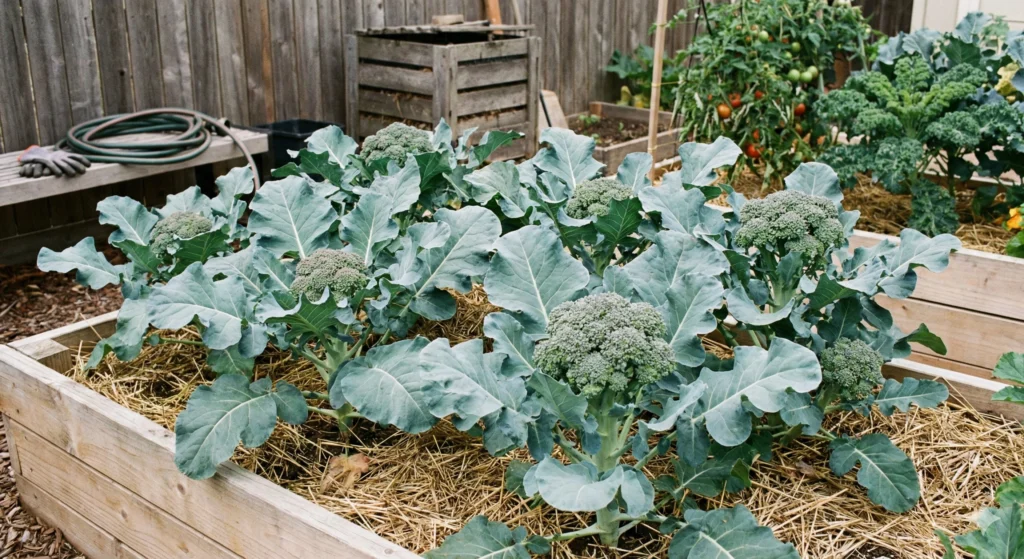
Broccoli seedlings should go in now, spaced 18 inches apart to allow full head development. The variety Waltham 29 is a classic for fall gardens in Zone 7, reliably maturing by early November and tolerating light frosts without damage (Bubel, The New Seed-Starter’s Handbook, 1988). Broccoli seedling transplanting in August in Zone 7 is most successful when you harden off starts for a few days before planting and water them in thoroughly.
Cauliflower is slightly more demanding but absolutely worth it. Transplant seedlings now for the 70-to-85-day maturity window to align with your first frost date, and provide steady, consistent moisture because irregular watering leads to “buttoning”—small, underdeveloped heads (Ogden, Gardening West of the Cascades, 1990). Cool-season brassicas for August in Zone 7 benefit enormously from consistent soil moisture and a light side-dressing of balanced fertilizer at planting.
Green beans round out the warm-to-cool transition beautifully. Bush types like Blue Lake and Royal Burgundy are ideal—direct sow them into compost-amended soil in the first two weeks of August, and pick beans in clusters to encourage continued production before frost closes the season (Creasy, The Edible Front Yard, 2010). Bush beans planted in late August in Zone 7 typically mature in 50 to 55 days, which is well within your frost-free window if you sow promptly.
Beets are a dual-purpose gem you should not overlook. Direct sow Detroit Dark Red for roots that reach 1 to 3 inches in about 60 days, and know that the greens are edible at any stage—you essentially get two crops from one planting (Weaver, Heirloom Vegetable Gardening, 1997). For beets and carrots direct sown in August in Zone 7, consistent soil moisture during germination is critical because the seed coat is hard and dries out quickly.
Carrots reward patience and good soil preparation. Sow varieties in multiple colors—Danvers 126, Scarlet Nantes, or even deep purple Cosmic Purple—and thin aggressively to 1 to 4 inches once seedlings emerge, because crowding is the single most common reason home gardeners get stunted roots (Flannery, Extension Horticulture Bulletin, 2019). Loose, stone-free soil amended with compost is non-negotiable for straight, full-sized roots.
Cabbage and collard greens are cornerstones of the Zone 7 fall garden. Quick-maturing cabbage types and Georgia Southern collards are particularly well-adapted; transplant collard greens in August in Zone 7 and you’ll have plants ready to harvest by October that continue producing through hard freezes (Pitzer, Rodale’s Ultimate Encyclopedia of Organic Gardening, 2009). Collards are among the most cold-hardy vegetables you can grow, surviving temperatures well into the 20s°F with minimal protection.
Peas are worth including even knowing that the fall crop typically yields about half of what a spring sowing produces, simply because fresh homegrown peas in October are a rare and delightful reward. Sow a fall peas guide for Zone 7 August directly in the ground now and provide a trellis or vertical support to maximize air circulation and minimize disease pressure (Jabbour, The Year-Round Vegetable Gardener, 2011).
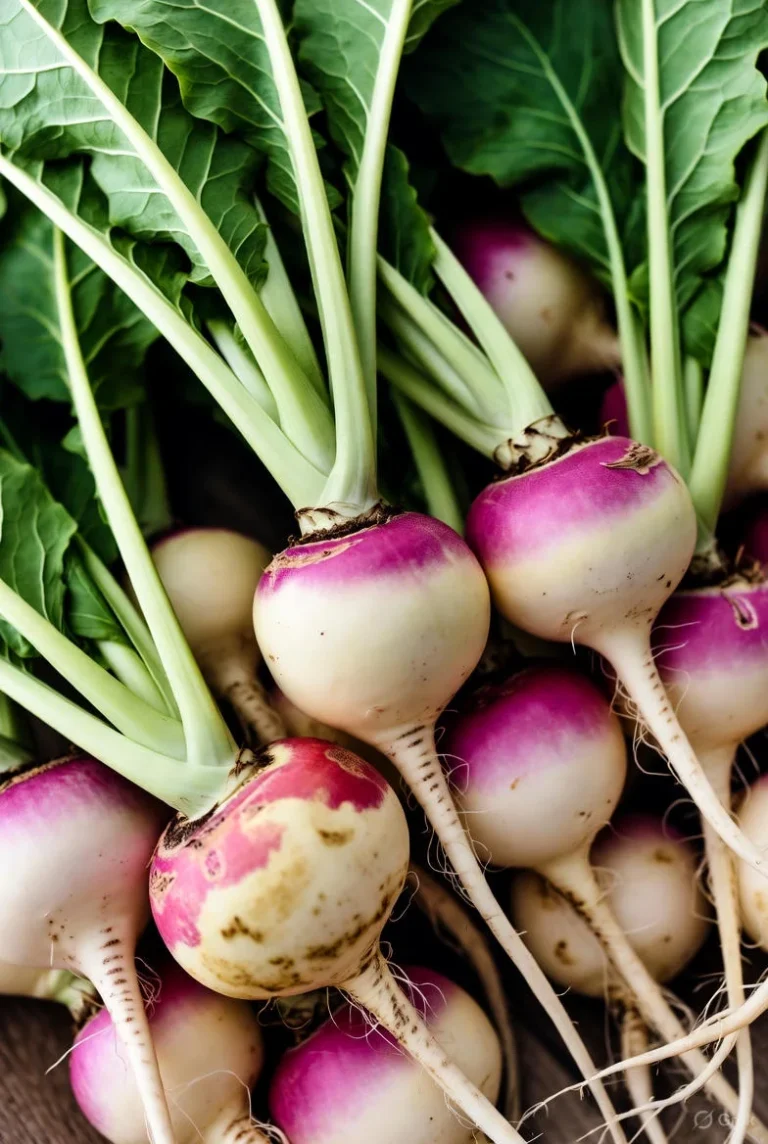
Other quick-growing fall veggies for Zone 7 deserve a place in your beds too: radishes can be harvested in as little as 25 days, making them ideal for filling gaps; turnips are fast and frost-tolerant; chard, arugula, and spinach thrive in cool conditions; and leeks and Brussels sprouts planted now will develop slowly and reward you with harvests in late fall or even early winter.
Planting Guidelines
Good soil preparation is the foundation of a successful Zone 7 fall vegetable planting in August. Incorporate 2 to 3 inches of compost into your beds before planting to improve both drainage and moisture retention—a critical combination as summer heat gives way to cooler, wetter conditions (Deardorff & Wadsworth, What’s Wrong With My Vegetable Garden?, 2009).
Timing and Methods
| Vegetable Group | Method | Spacing | Days to Harvest |
|---|---|---|---|
| Leafy Greens (Lettuce, Kale, Spinach, Arugula) | Seeds or seedlings | 6–12 inches | 25–60 days |
| Brassicas (Broccoli, Cauliflower, Cabbage, Collards) | Seedlings preferred | 18 inches | 60–85 days |
| Roots (Beets, Carrots, Turnips, Radishes) | Direct sow only | 1–4 inches (thinned) | 25–90 days |
| Beans and Peas | Direct sow | 4–6 inches | 50–60 days |
Mulching immediately after planting serves two essential purposes: it retains soil moisture during the still-warm days of August, and it acts like a cozy blanket for roots as temperatures begin to drop in September and October (Ogden, Gardening West of the Cascades, 1990). A 2-to-3-inch layer of straw or shredded leaves is ideal. Row covers are another tool you should have ready—they extend your frost protection window by 4 to 8°F and also create a physical barrier against common fall pests like aphids and cabbage loopers (Bubel, The New Seed-Starter’s Handbook, 1988).
Care Tips
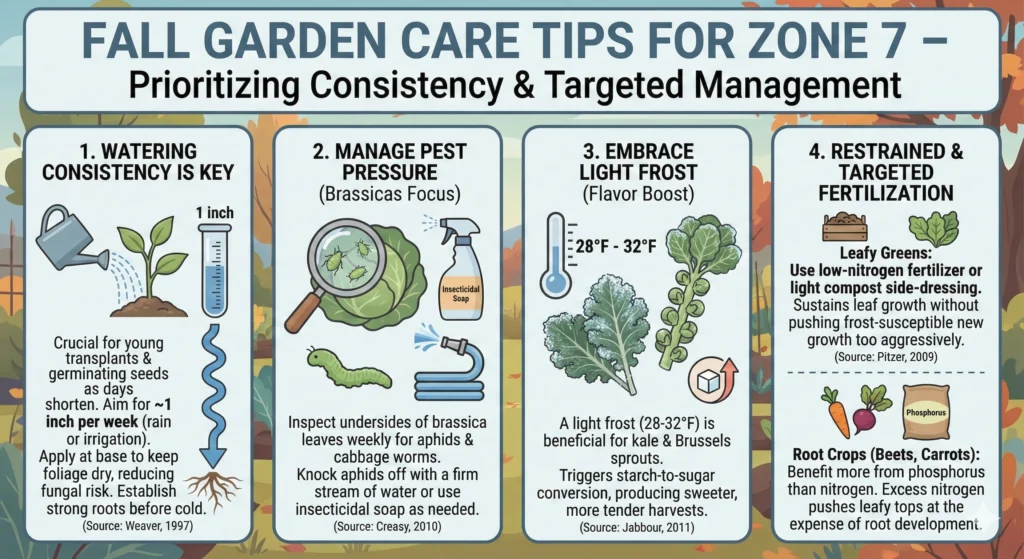
Watering consistency becomes more important, not less, as days shorten and temperatures fluctuate in fall. You may be tempted to ease off irrigation as the heat subsides, but young transplants and germinating seeds need steady moisture to establish strong root systems before the cold arrives (Weaver, Heirloom Vegetable Gardening, 1997). Aim for about 1 inch of water per week through rainfall or supplemental irrigation, applied at the base of plants to keep foliage dry and reduce fungal risk.
Pest pressure in fall Zone 7 gardens often centers on aphids and cabbage worms targeting brassicas. Inspect the undersides of leaves weekly and knock aphids off with a firm stream of water or apply insecticidal soap as needed (Creasy, The Edible Front Yard, 2010). A light frost—anything in the 28 to 32°F range—is actually your friend when it comes to kale and Brussels sprouts, triggering the conversion of starches to sugars and producing noticeably sweeter, more tender harvests (Jabbour, The Year-Round Vegetable Gardener, 2011).
Fertilization in the fall garden should be restrained and targeted. Use a low-nitrogen fertilizer or side-dress lightly with compost for leafy greens, which need just enough nutrition to sustain leaf growth without pushing tender, frost-susceptible new growth too aggressively (Pitzer, Rodale’s Ultimate Encyclopedia of Organic Gardening, 2009). Root crops like beets and carrots benefit more from phosphorus than nitrogen—excess nitrogen pushes leafy tops at the expense of the roots you’re actually growing for.
Potential Challenges
Heat is your primary adversary in early August, and managing it strategically separates successful fall gardens from failed ones. Soil temperatures above 80°F inhibit germination in cool-season crops like lettuce and spinach, so plant seeds in the evening when soil has cooled slightly, or pre-moisten beds and cover them with a damp burlap layer for 24 hours before sowing to bring surface temperatures down (Flannery, Extension Horticulture Bulletin, 2019). Siting new plantings where taller summer crops like tomatoes or corn cast afternoon shade can also make a meaningful difference during the first two weeks of establishment.
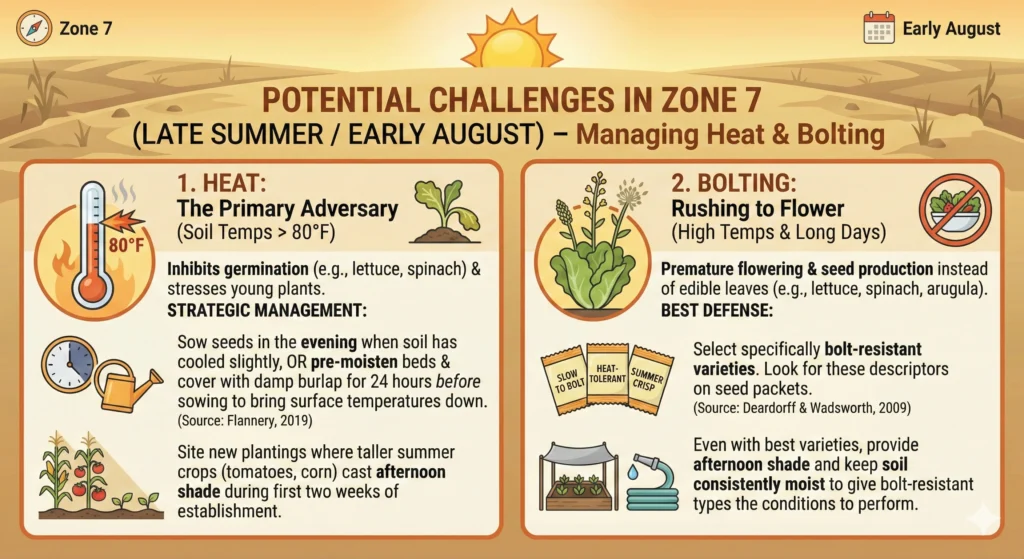
Bolting—when lettuce, spinach, or arugula rushes to flower and seed rather than producing edible leaves—is triggered by high temperatures and long day length, both of which are present in early August. Selecting specifically bolt-resistant varieties is your best defense: look for descriptors like “slow to bolt,” “heat-tolerant,” or “summer crisp” on seed packets when sourcing your fall garden seeds (Deardorff & Wadsworth, What’s Wrong With My Vegetable Garden?, 2009). Even with the best varieties, providing afternoon shade and keeping soil consistently moist gives bolt-resistant types the conditions they need to perform as advertised.